
Construction is officially underway on Matthew’s Big Splash Bathroom! After completing demolition, our team has moved into framing, drywall, and prep work—bringing this accessible design one step closer to reality.
In our last post, we shared the vision behind Matthew’s bathroom transformation as part of our Olivia’s Big Splash Custom Bathroom Giveaway—a project dedicated to creating a safer, more accessible space tailored to his needs.
None of this would be possible without the support of our incredible trade partners, including both our subcontractors and trusted vendors, as well as the dedicated team bringing this project to life.
In particular, we want to shout out Kelly Summers, who generously volunteered her time to support the design phase and guide selections. At the same time, Don Richeson has been leading the project as Project Director, ensuring everything continues to move forward smoothly. In addition, Chris Nafziger has been on site contributing his expertise in carpentry to help bring the details together.
A huge thanks to the following trade partners:
Taylor Construction
Honey Bee Home Renovations LLC
Vaught Roofing
Grandview Winnelson
Delta T Heating & Cooling
Tschirhart Plumbing Inc.
Jason Wright Electric
Tom Lee Drywall
Koala Insulation
Crown Cabinetry
KC Millwork
California Closets
Central Surfaces
Apex Tile
SVB Wood Floors
R&S Painting
and of course, The Olivia Bloomfield Foundation
It truly takes a team, and we’re grateful for every person playing a role in making this project a reality.
Now, we’re excited to show you what we've been up to!
Table of Contents
Demo Day: Clearing the Way
Every great remodel starts with a clean slate.
Our team, led by Project Director Don Richeson, began by carefully removing the existing finishes, fixtures, and outdated layout elements. While demo can feel like the “messy middle,” it’s a crucial step in making room for a space that will function better for years to come.
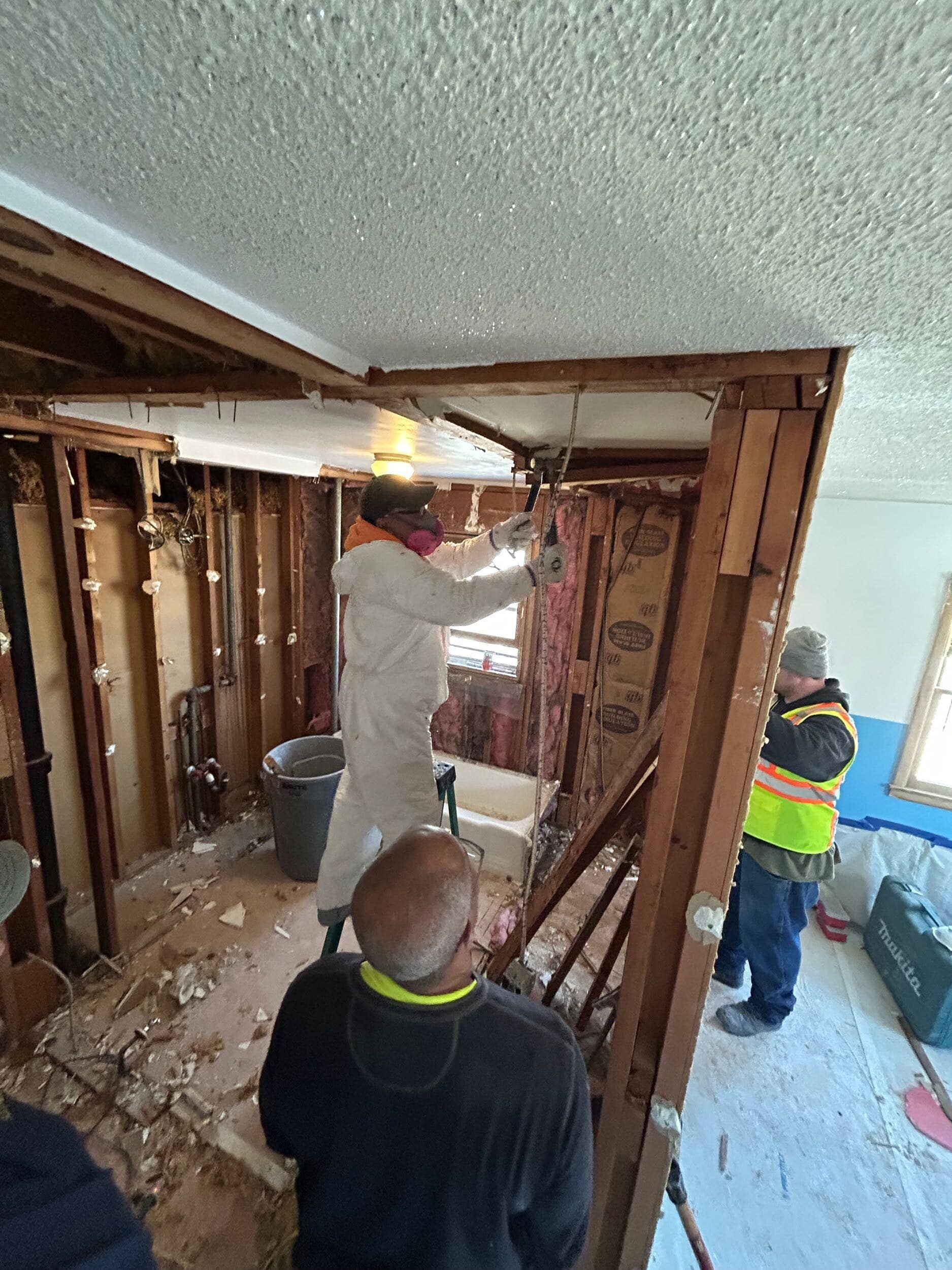
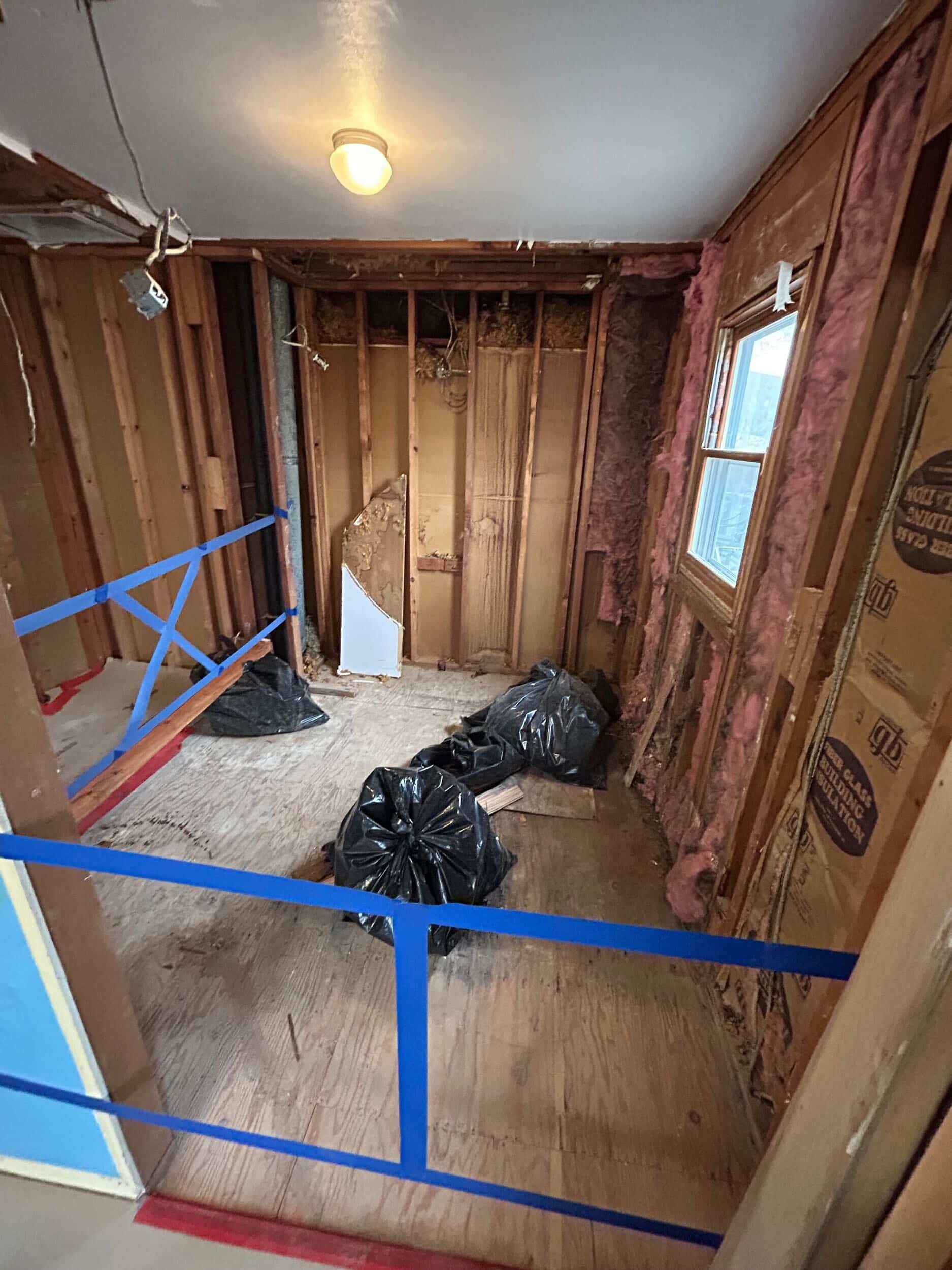
Once we opened up the walls, we uncovered an unexpected issue. Specifically, the shared wall between the bathroom and kitchen revealed an improperly installed range ventilation system. As a result, grease and smoke from cooking had been venting directly into the insulation and drywall inside the wall cavity.
Because this created a serious fire hazard and compromised the integrity of the space, our team immediately added the repair to the project scope. From there, we coordinated the necessary corrections to safely redirect the ventilation system and protect the home for the family moving forward.
With everything stripped back, we could fully assess the structure and begin preparing for what’s next.
Framing the Future
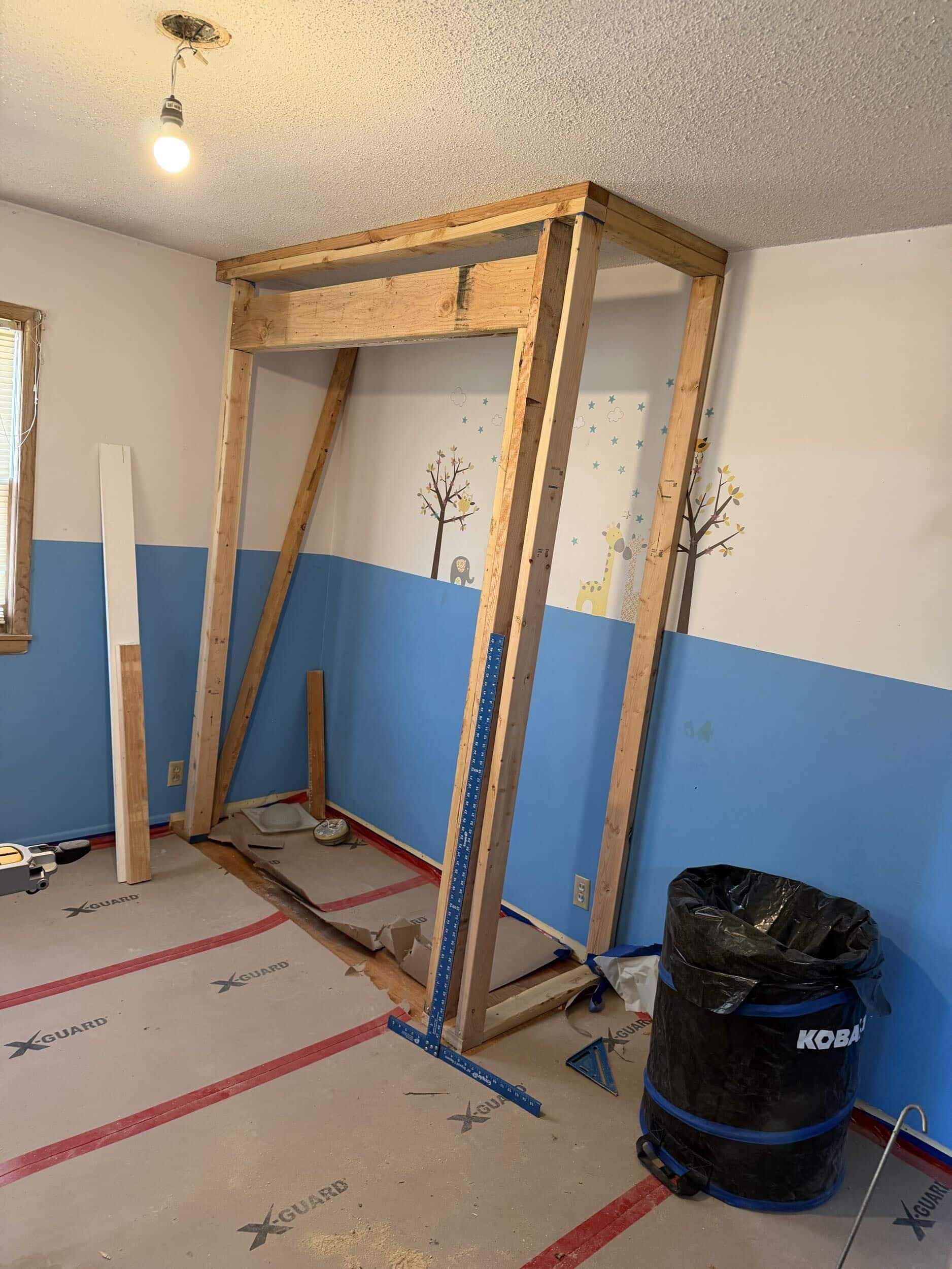
Once demo was complete, framing began—and this is where the transformation really starts to take shape.
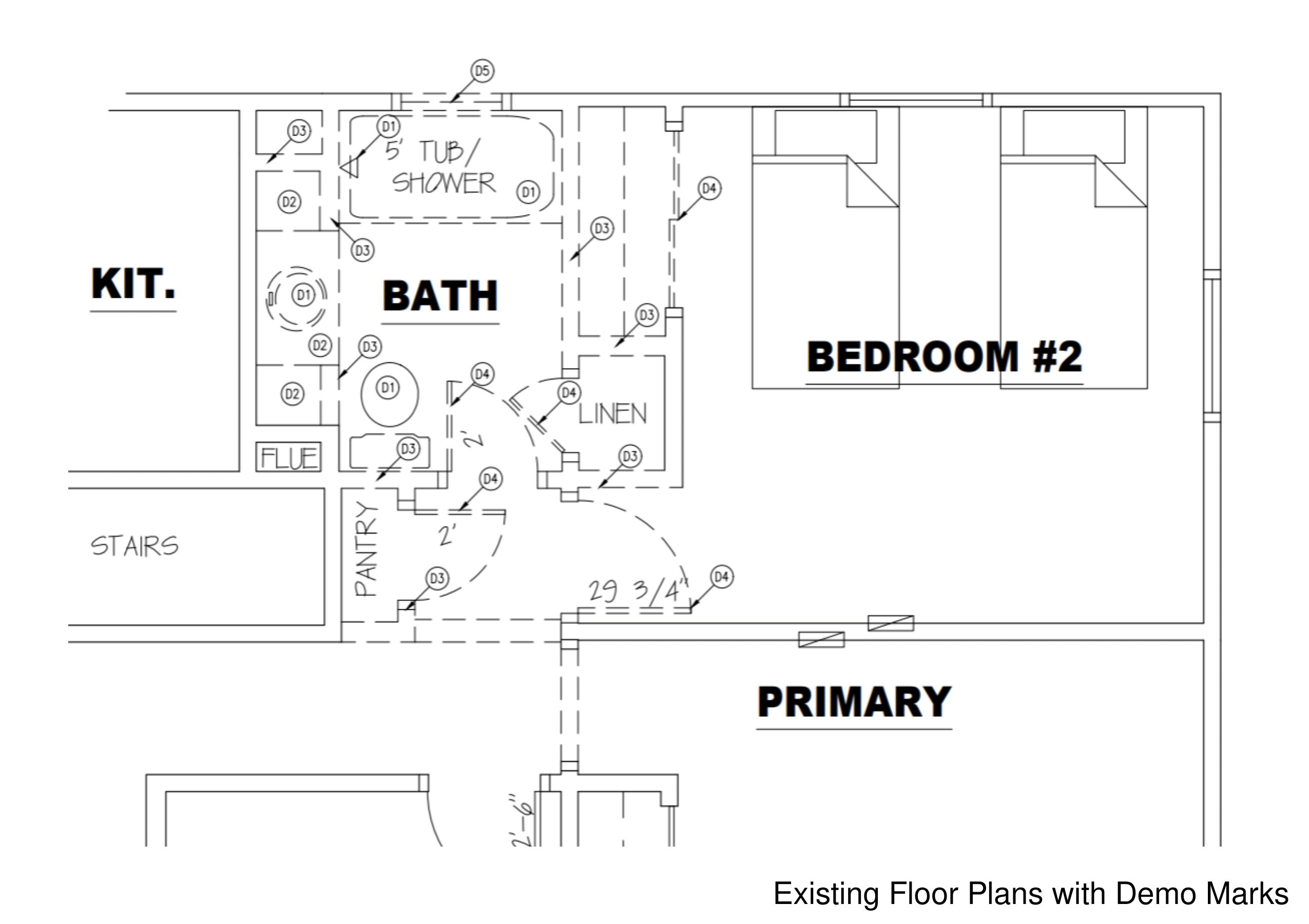


Above is a reminder of the floor plan changes.
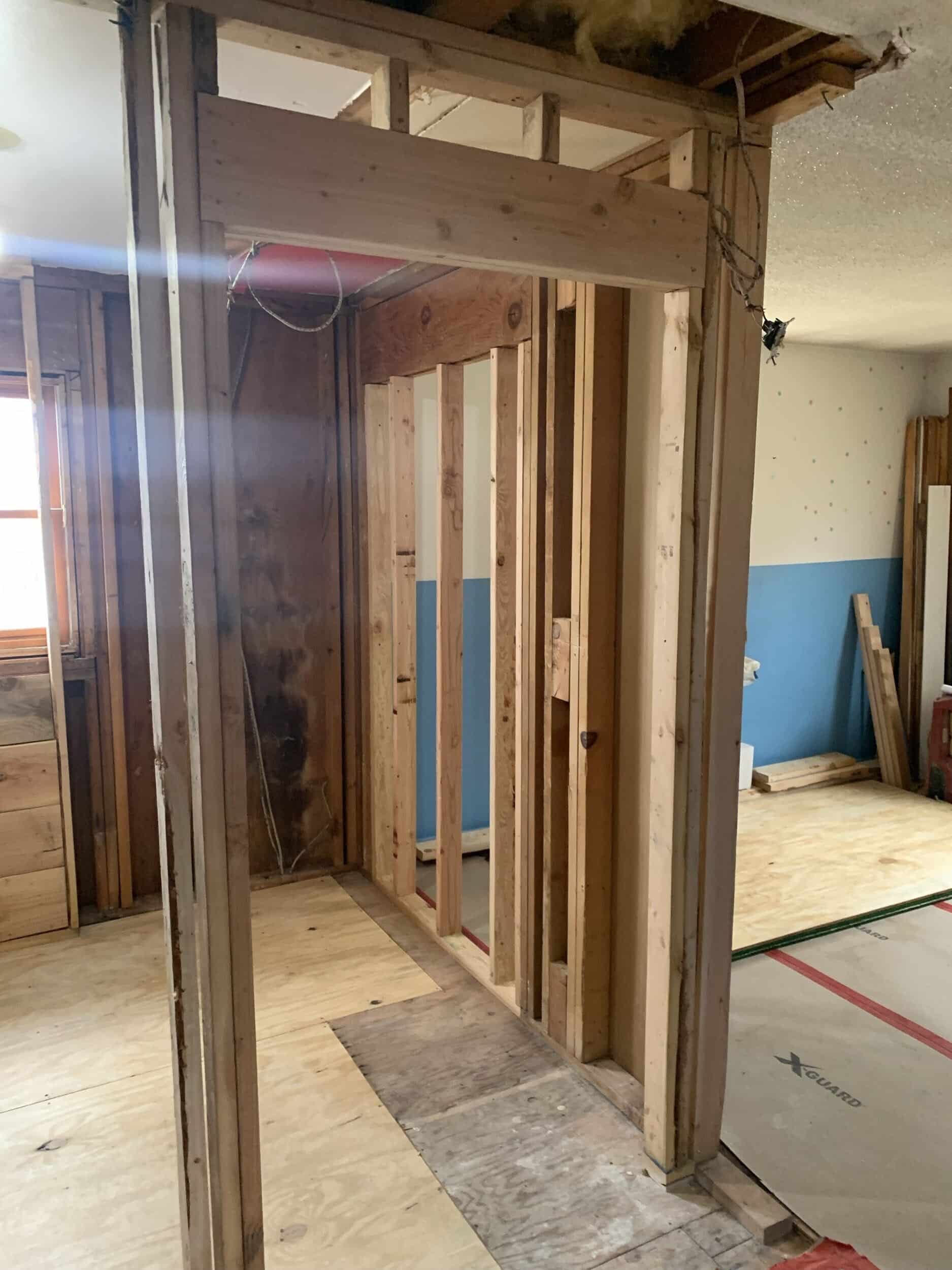

Walls were reconfigured to:
- Improve accessibility and circulation
- Allow for a more open, functional layout
- Prepare for key features like a curbless shower and wider clearances


We’re also incorporating a reach in California Closet system in Bedroom #2 to create additional, highly functional storage for Matthew and his family. Since we removed the original closet to allow for a larger bathroom footprint, this new built-in solution helps restore organization while making the most of the remaining space.
At this stage, you can finally start to see the design from the plans come to life.
Behind the Walls: Mechanical + Prep Work
Before closing things up, we tackled the essential behind-the-scenes work that makes the space function:
- Plumbing adjustments for new fixture locations
- Electrical updates to support lighting and accessibility features
- Blocking and structural support for future grab bars and accessories


This step is especially important in an accessible bathroom, where thoughtful planning ensures safety, independence, and long-term usability.
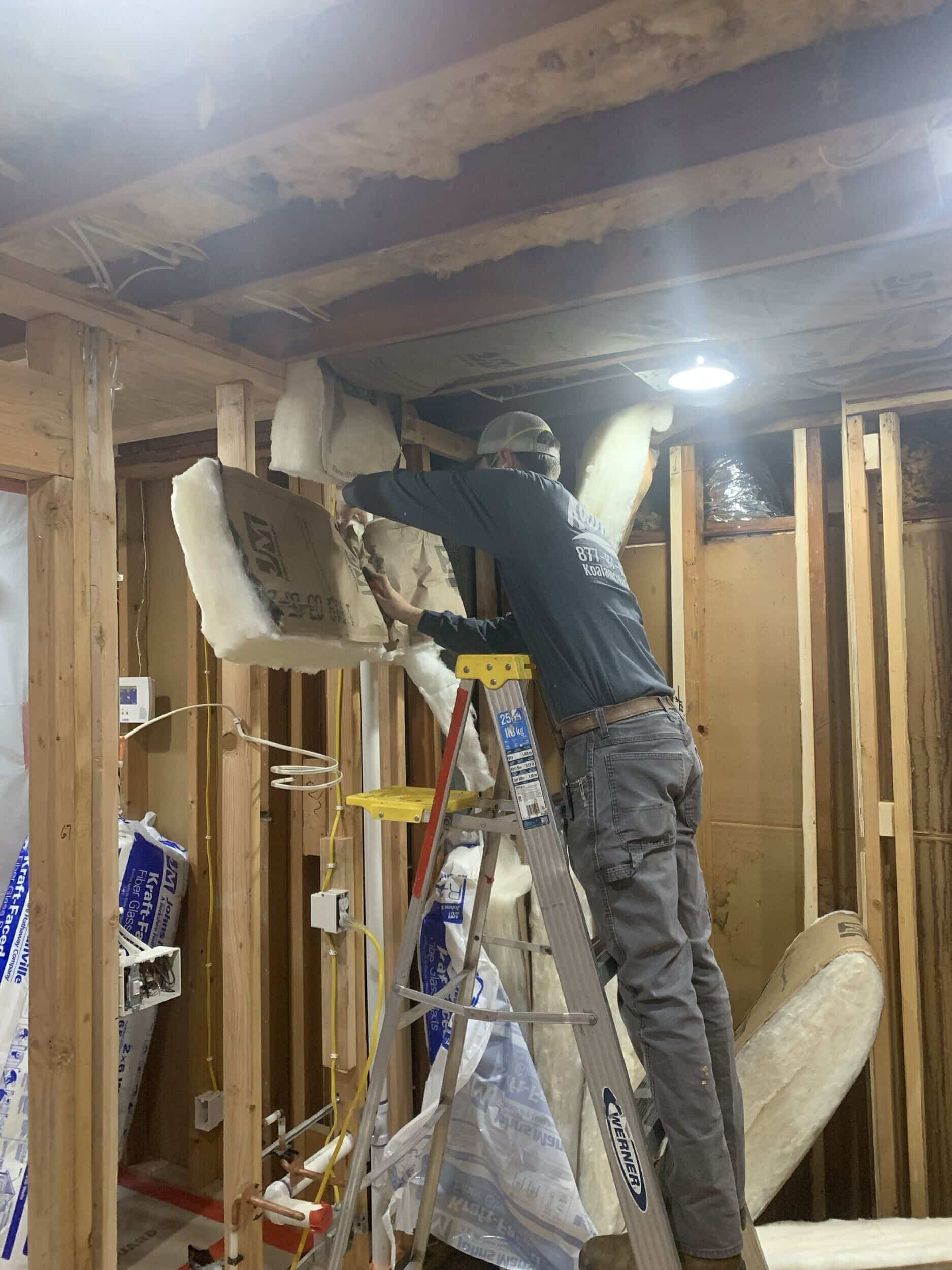
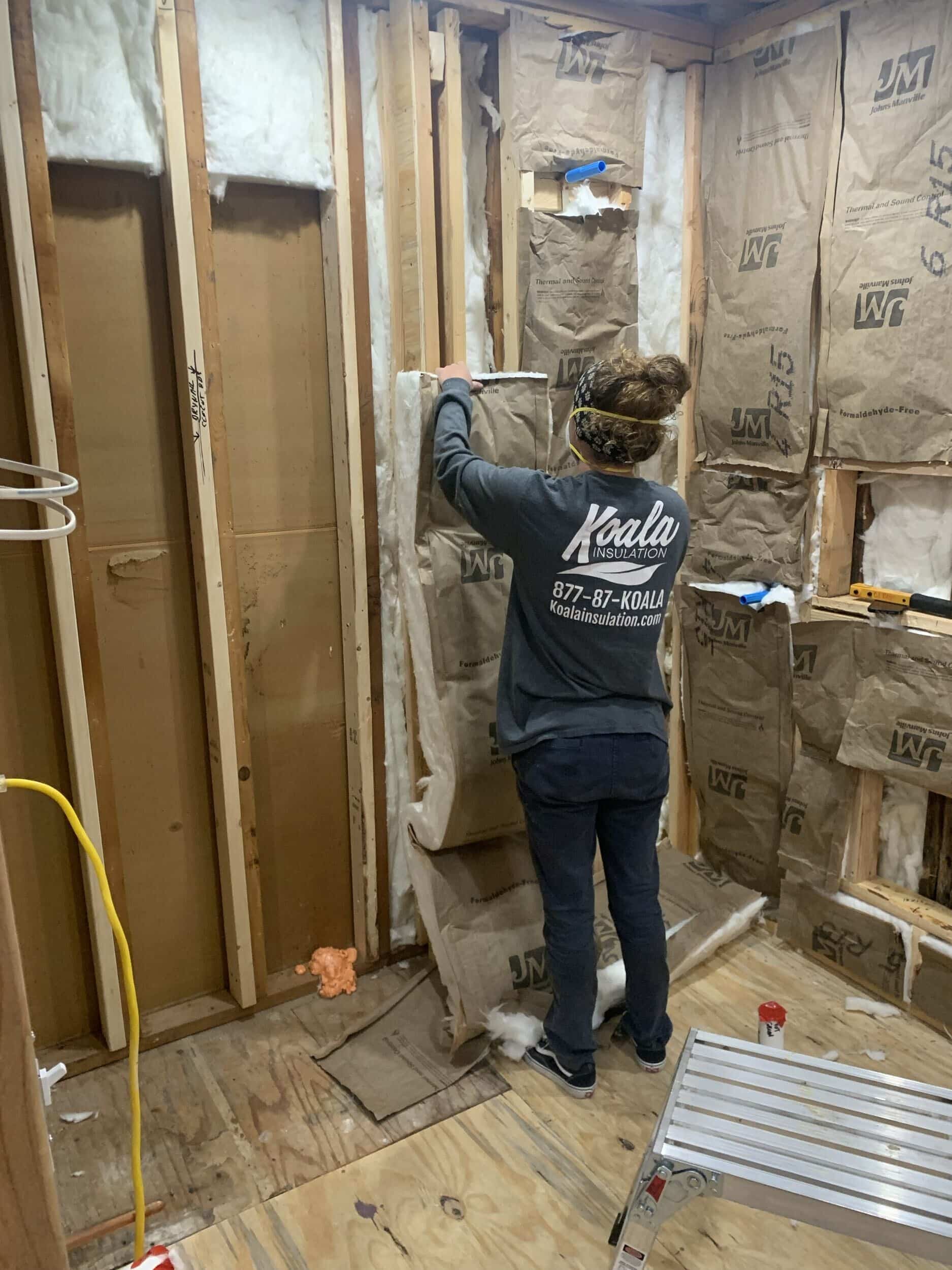
Then we insulated the space to prep for drywall.
Drywall + Getting Ready for Finishes
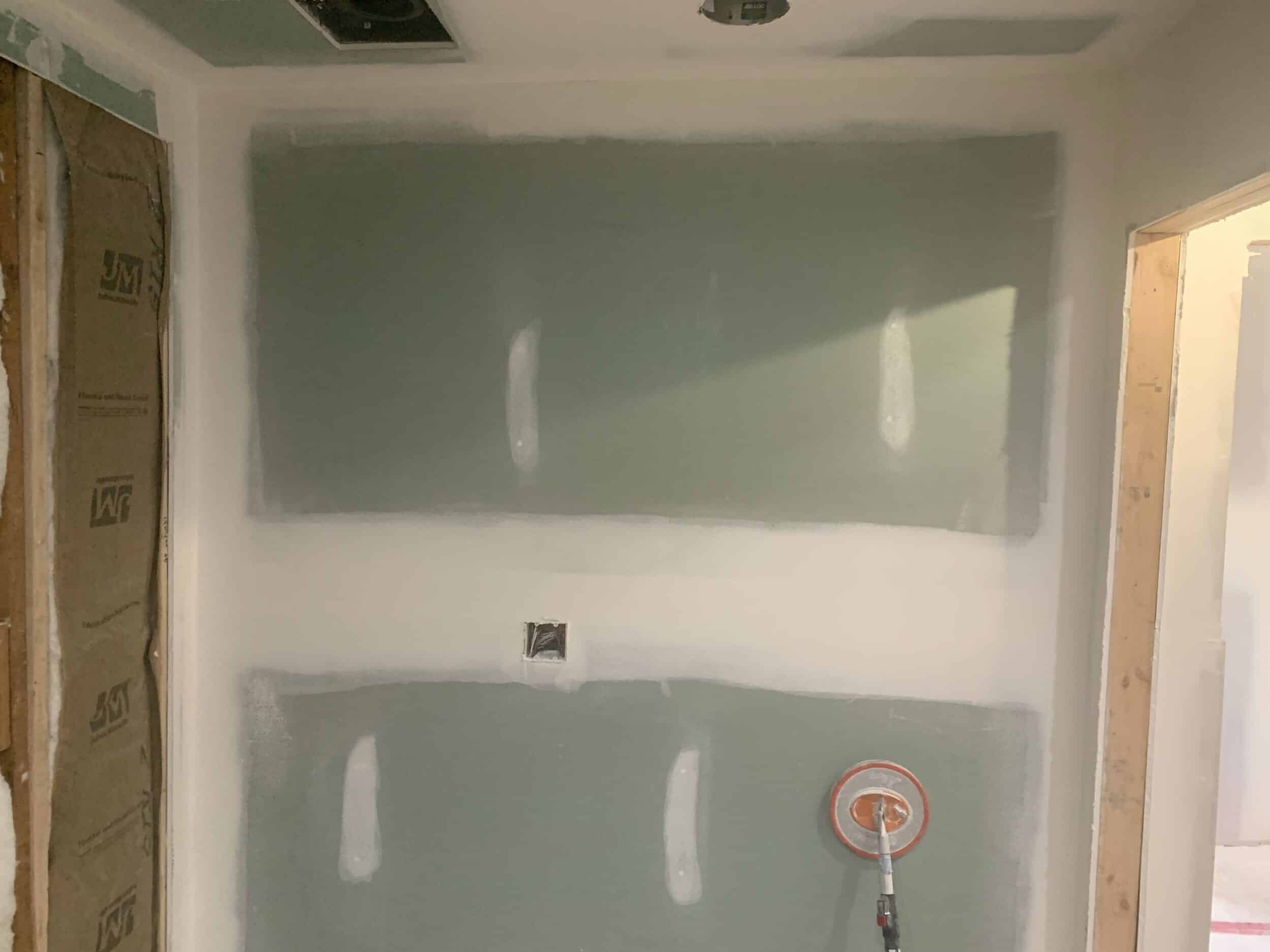
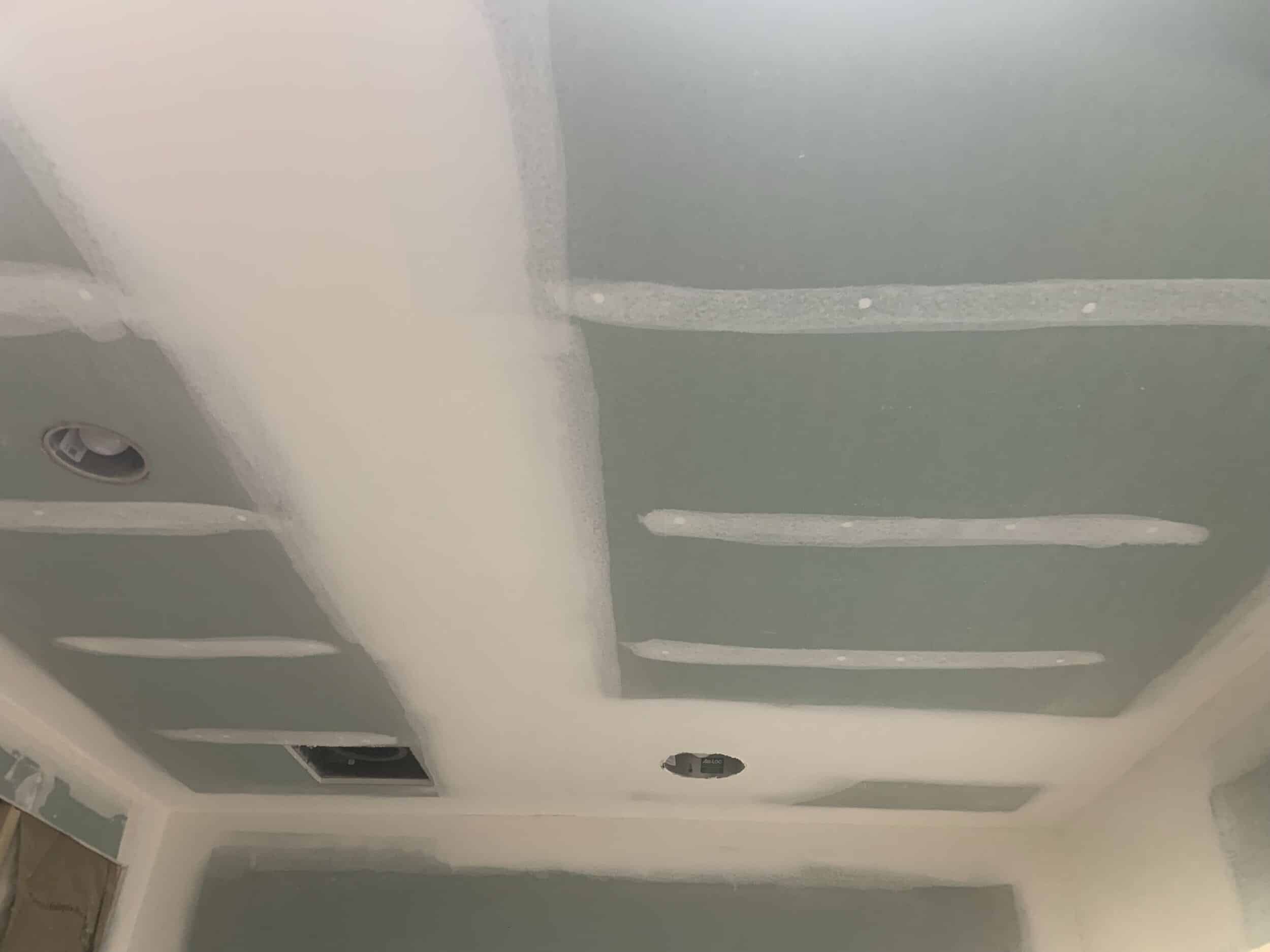
With rough-ins complete and insulation in place, we’ve now moved into the drywall phase. At this stage, the space starts to feel more defined as the walls come back together and the new layout becomes even clearer.
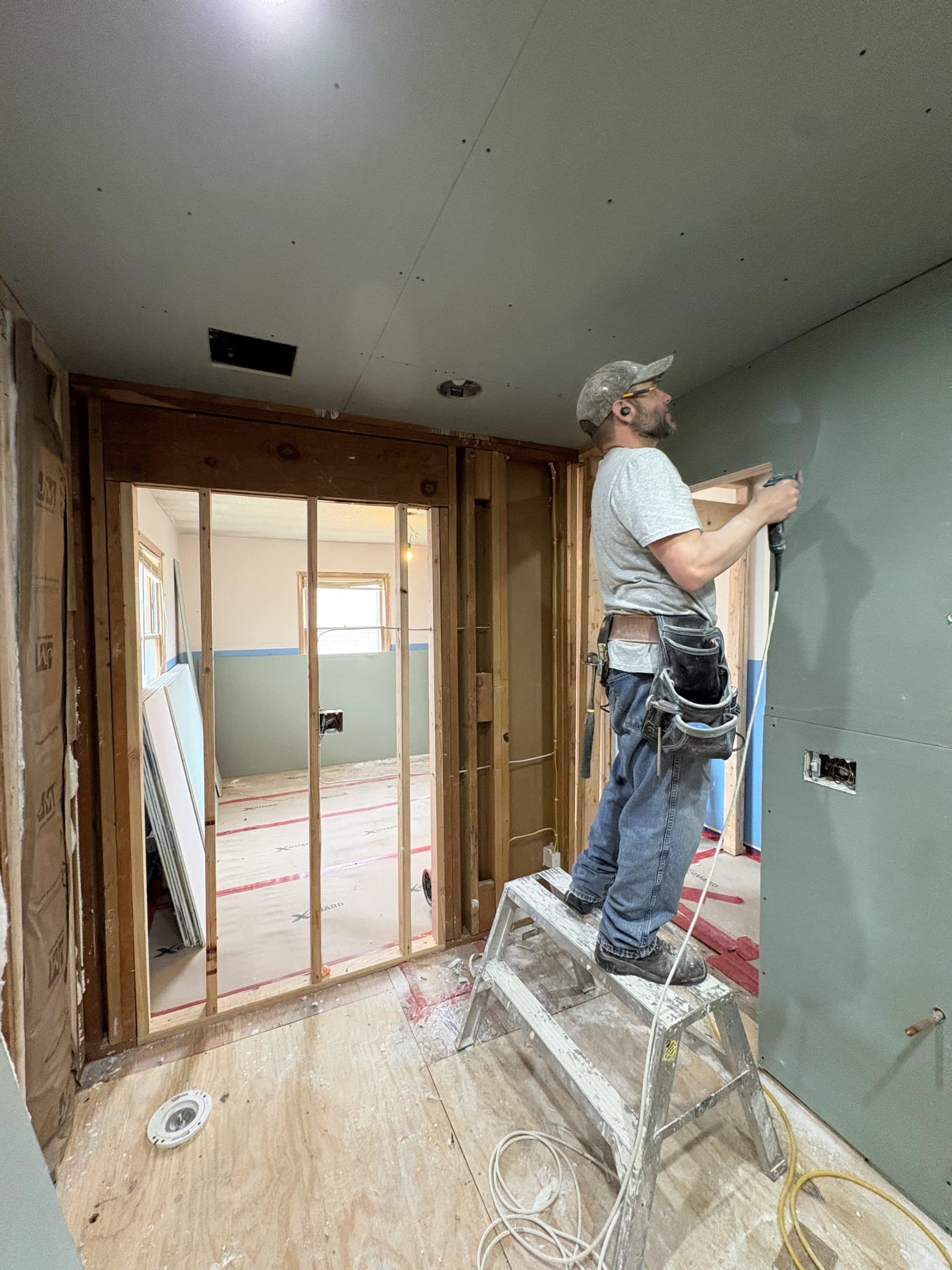
While drywall installation, sanding, and prep for paint can bring a bit of dust and disruption, it’s also one of the most exciting milestones in any remodel. As the surfaces close up, you can really start to see the shape and flow of the new space take form—bringing the design one step closer to reality.
Next up:
- Cabinet installation
- Tile work (we can’t wait for this part!)
- Final fixture and finish selections coming to life
What’s Next
We’re officially past the messy phase and moving into the exciting part—where all the design details start to come together.
This bathroom was thoughtfully designed to remove barriers and create a space that promotes independence and comfort—something that’s at the heart of every Olivia's Big Splash project.
Stay tuned as we move into cabinetry, tile, and all the finishing touches that will bring this space to life!
Frequently Asked Questions: Accessible Bathroom Design
1. What features should I include in an accessible bathroom remodel?
When planning an accessible bathroom remodel, focus on safety, comfort, and ease of use. Key features often include a curbless (zero-entry) shower, grab bars, non-slip flooring, wider doorways, and a comfort-height toilet. Many homeowners also choose floating or open vanities for better wheelchair access. Ultimately, the best design depends on your specific needs and how you use the space daily. When working with our team, our designers can guide you to make the smartest design choices for your unique needs.
2. How much does an accessible bathroom remodel cost?
The special thing about Olivia’s Big Splash Bathroom Giveaway is that the recipient family does not pay for the project. Instead, our team fully covers the cost as part of our commitment to creating accessible spaces that truly change lives. Because we understand how important thoughtful, functional design is, we focus on delivering a space that supports the family’s needs without financial burden.
At the same time, if you know a family who could benefit from Olivia’s Big Splash Custom Bathroom Giveaway, stay tuned. We will be sharing more information soon about the next nomination period and how to submit a recipient.
When it comes to overall investment, an accessible bathroom remodel typically aligns with the cost of a standard bathroom renovation. However, the final cost can vary depending on the size of the space, the level of customization, and the materials selected. For example, projects that include layout changes, plumbing updates, and specialty features like curbless showers or custom cabinetry—like the work we’re completing here—often fall at a higher investment level based on those selections. Even so, these upgrades deliver long-term value by improving safety, increasing functionality, and helping homeowners remain comfortably in their homes for years to come.
3. What is a curbless shower, and why is it important?
A curbless shower, also known as a zero-entry shower, eliminates the step or threshold at the shower entrance. This design creates a seamless transition from the bathroom floor into the shower, which improves accessibility and reduces the risk of tripping. This is key when designing a shower for someone using a wheelchair. In addition, curbless showers offer a clean, modern look that works well in both accessible and luxury bathroom designs.
4. Can I make my existing bathroom more accessible without a full remodel?
Yes, you can improve accessibility in your existing bathroom with targeted updates. For example, you can install grab bars, upgrade to a handheld showerhead, add better lighting, or replace flooring with a slip-resistant option. While these smaller changes can make a noticeable difference, a full remodel allows you to fully optimize layout, spacing, and functionality for long-term accessibility. Smaller updates like these are something our handyman team can complete in just a few days.
5. How do I design a bathroom for aging in place?
To design a bathroom for aging in place, start by prioritizing safety, accessibility, and ease of movement. From there, incorporate features like wider clearances, barrier-free showers, sturdy support elements, and user-friendly fixtures to support everyday use. In addition, choose finishes and materials that feel warm and inviting so the space never feels clinical.
At Schloegel Design Remodel, our team brings years of experience in aging-in-place updates, and our handyman team regularly completes smaller accessibility improvements that make a big impact. Whether you’re planning a full remodel or exploring targeted handyman services, we help create spaces that work for you now and adapt with you over time.
Ready to create an accessible space in your own home? Contact us!
