
This accessible bathroom remodel is officially entering one of our favorite phases! After weeks of demolition, framing, rough-ins, and behind-the-scenes work, Matthew’s bathroom remodel is beginning to look and feel like the vision we’ve all been working toward. If you missed the last post, get caught up here.
We’ve officially moved beyond the dusty demo and sanding phases and into the exciting stage where the design details start coming to life. Cabinet installation is underway, tile work has begun, and many of the final fixtures and finish selections are finally making their way into the space. Every week brings another visible change, and now the room is starting to feel less like a jobsite and more like a bathroom designed specifically for Matthew and his family.
As part of this year’s Olivia’s Big Splash project, every detail has been intentionally designed to remove barriers and create a space that promotes comfort, accessibility, and most importantly, independence. Those goals continue to guide every decision as we move closer to the finish line.
And now, some of the most exciting design moments are happening!
Table of Contents
Cabinet Installation Begins
One of the biggest milestones was seeing cabinetry installed. After being focused on structure and function, adding cabinetry immediately changed the feel of the room and helped the design vision start taking shape.
Matthew played an important role in shaping the look and feel of the space by helping select the color palette. He liked orange, green, and yellow, so we gravitated toward burnt orange tones, earthy greens, and warm neutrals.

The green cabinetry, which will be paired against a burnt orange wall, adds a layer of character while complementing the surrounding earthy palette. Together, these colors create a space that feels playful and welcoming while still maintaining a calm, grounded atmosphere. Most importantly, the finished design feels full of personality while still being calming, creating a space that reflects Matthew's style while supporting his everyday needs.
Most importantly, the vanity area was designed with accessibility at the forefront. An accessible sink allows Matthew to comfortably wheel up and use the space with greater ease and independence—one of the many thoughtful details that turns a beautiful design into one that truly supports everyday life.
Tile Work Starts Taking Shape
We’ve been especially excited to watch tile installation begin because this feature plays such a major role in the bathroom’s overall function and design.
Matthew’s bathroom was designed as a wet room, allowing for easier movement throughout the space and eliminating traditional barriers. To prep for water, we used a waterproof tile backer board on the walls and floor in the wet room area. Later to be installed, A ceiling-mounted shower curtain track creates flexibility while allowing Matthew to wheel directly into the shower area with ease.


Because this section of the room is intended to handle water exposure throughout, tile extends across the entire floor and continues up the two primary shower walls. Not only does this support functionality and durability, but it also creates a seamless, cohesive look throughout the room.


The tile selections themselves stay grounded in soft, earthy, neutral tones. While the cabinetry and wall color bring moments of personality, the tile creates balance. The overall effect feels calm, welcoming, and comfortable, exactly the atmosphere we hoped to create!
Fresh Paint Adds Personality
As construction continued moving forward, another exciting transformation began taking shape: paint. Few things change a space faster than color, and suddenly rooms that recently felt like active job sites started feeling warm, personal, and much closer to home. Burnt orange walls in the bathroom introduce warmth and create a fun contrast against the softer tones used elsewhere, bringing energy and personality into the room.
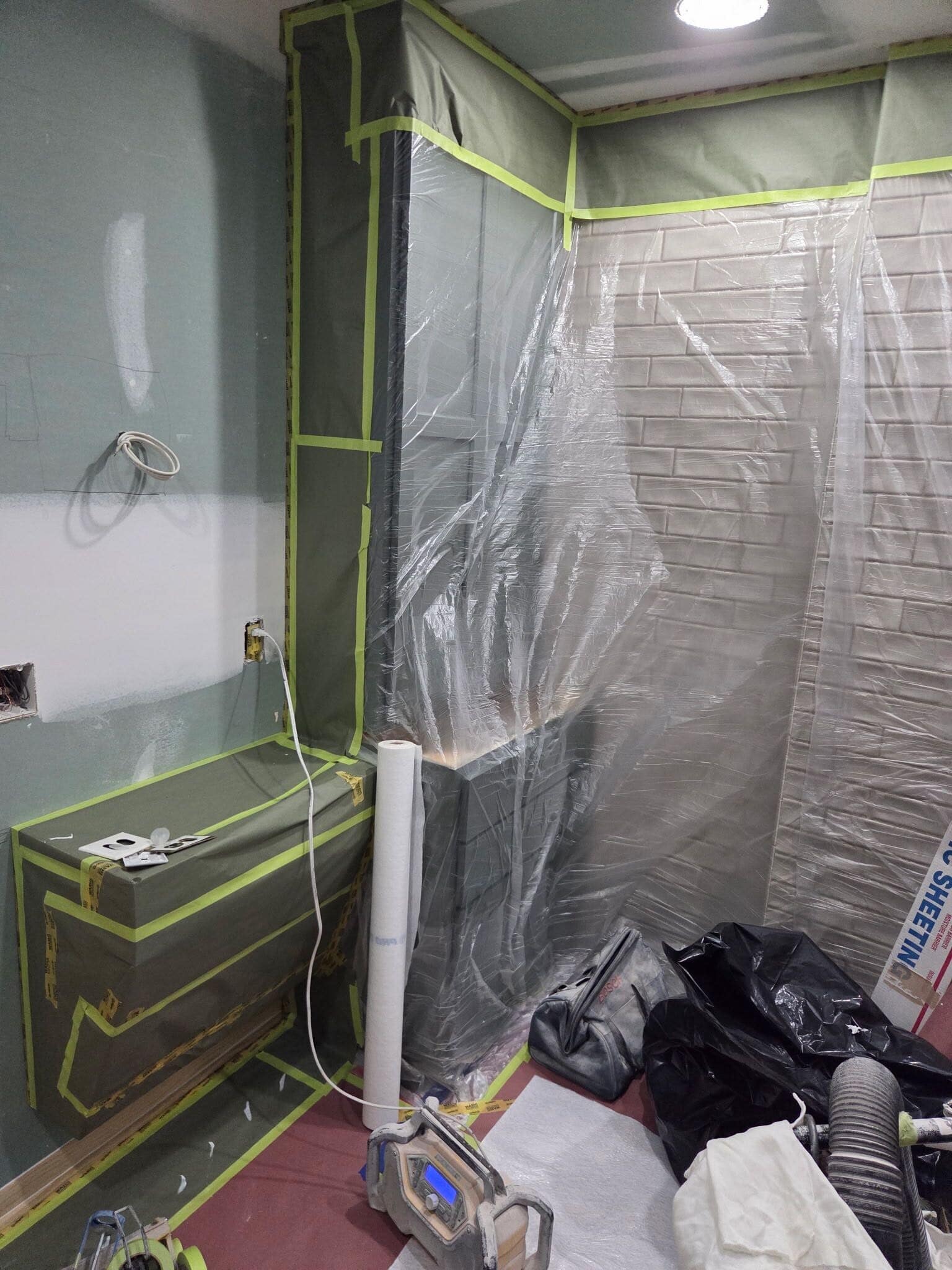
Prep and protection before paint.
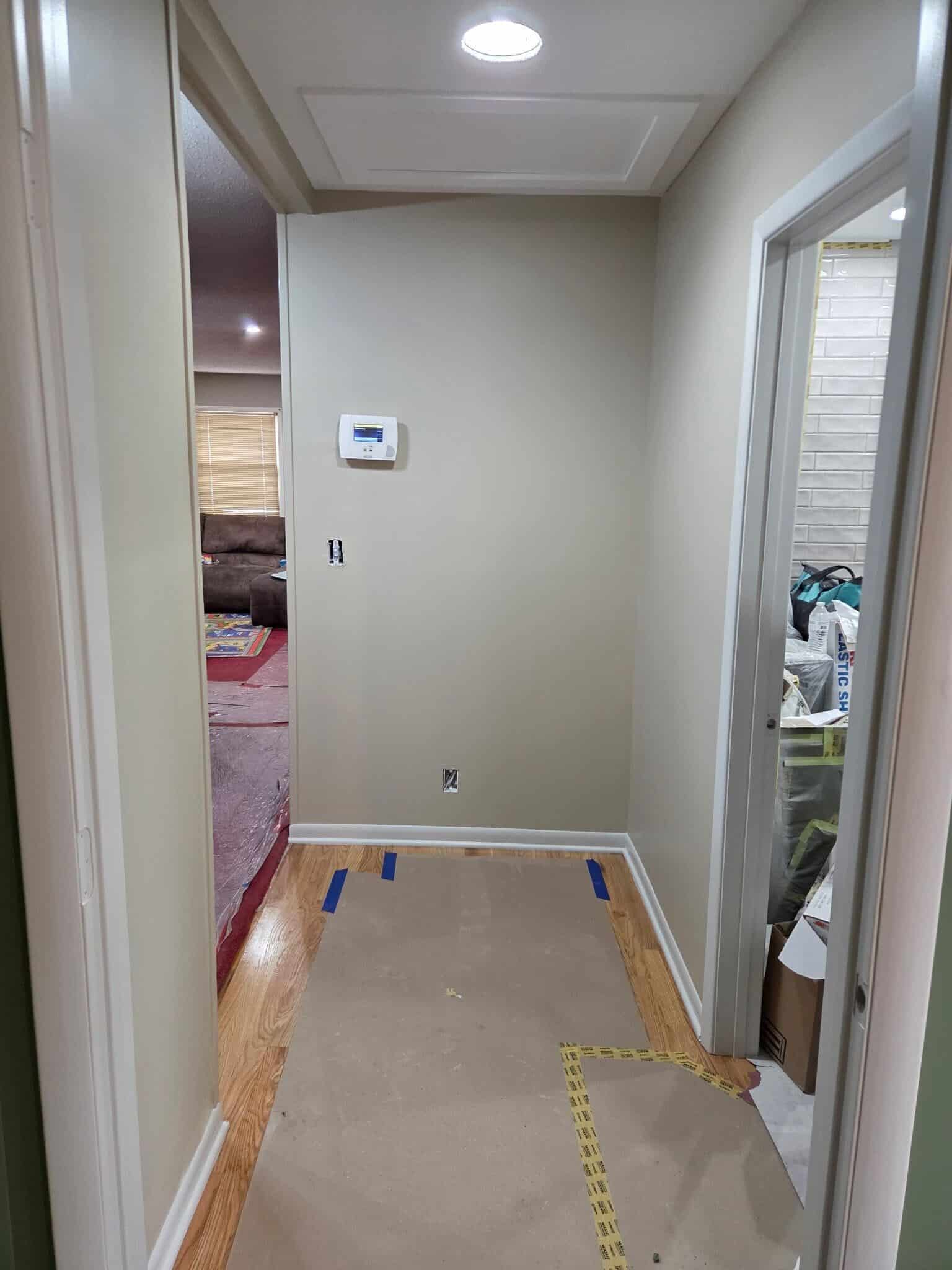
The freshly painted hall area outside of the bathroom.
Matthew’s bathroom wasn’t the only space receiving special attention along the way. The bedroom he shares with his younger brother also got a refresh, creating a stronger connection between the spaces and extending the impact of the project beyond the bathroom walls. Inspired by the fun green cabinetry selected for the bathroom, similar tones found their way into the bedroom design to create a cohesive feel while still allowing the space to have its own personality.
And the finishing touches aren’t done yet. Designer, Kelly, still has a few fun decor and styling surprises up her sleeve to help make the room feel complete and truly Matthew’s. Those personalized details will help transform the room into a space that feels welcoming, playful, and designed specifically around him.
With each new finish installed and every thoughtful detail coming together, the vision continues coming to life.

The boys' bedroom with fresh green paint.
Closet Systems Add Function for the Whole Family
At the same time, progress continued beyond the bathroom walls as surrounding spaces also began taking shape.
While the accessible bathroom remains the heart of this year’s Olivia’s Big Splash project, the team also focused on creating functional solutions that support the entire family. As plans moved from design concepts into reality, storage and organization quickly became an important part of the transformation.
One bedroom evolved into a dedicated walk-in closet space complete with closet system components lining the walls. As a result, the family now has flexible storage designed to organize clothing, everyday items, and essentials in a way that better supports daily routines.
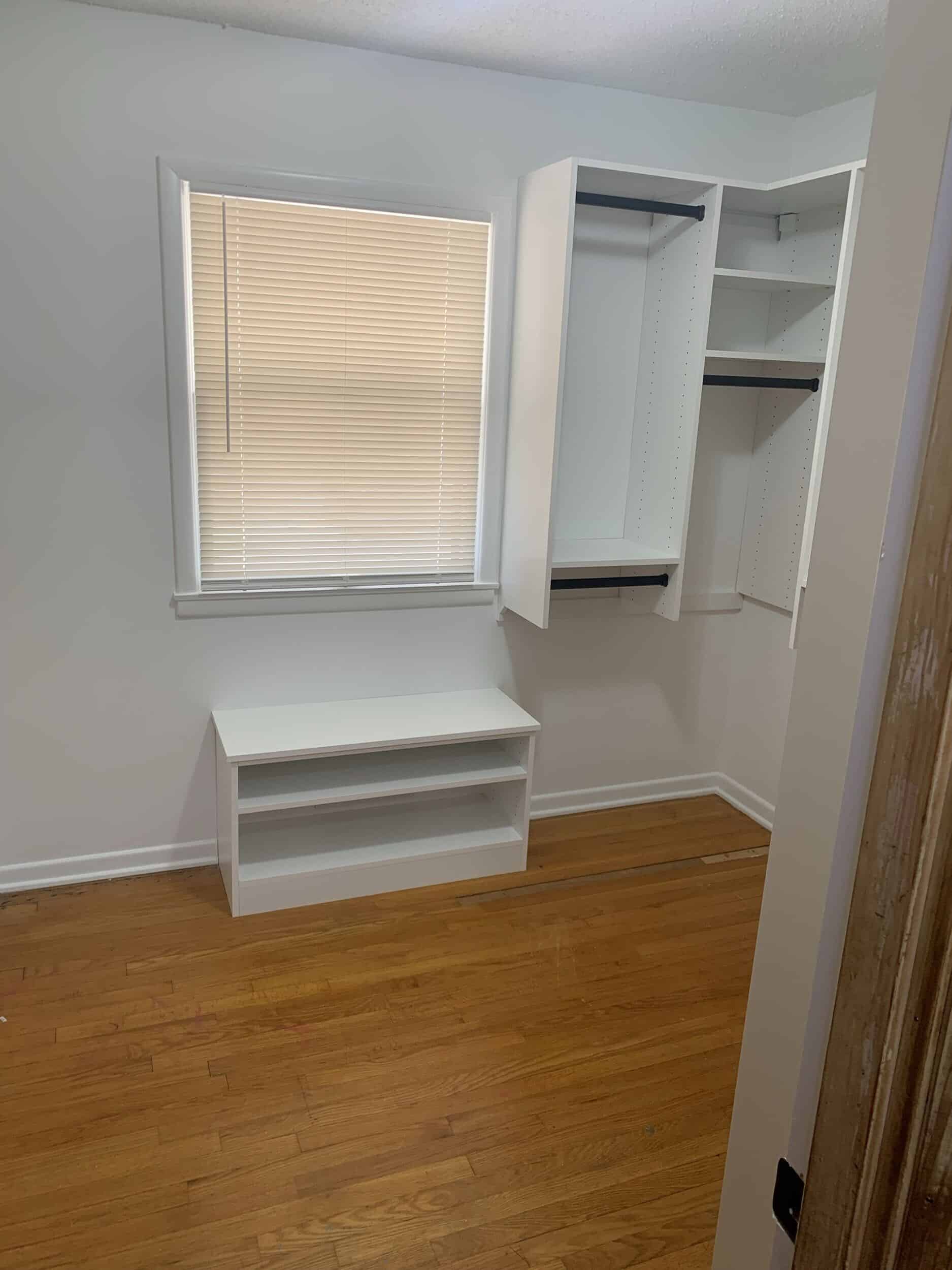
California closet system in new walk-in closet (old bedroom)
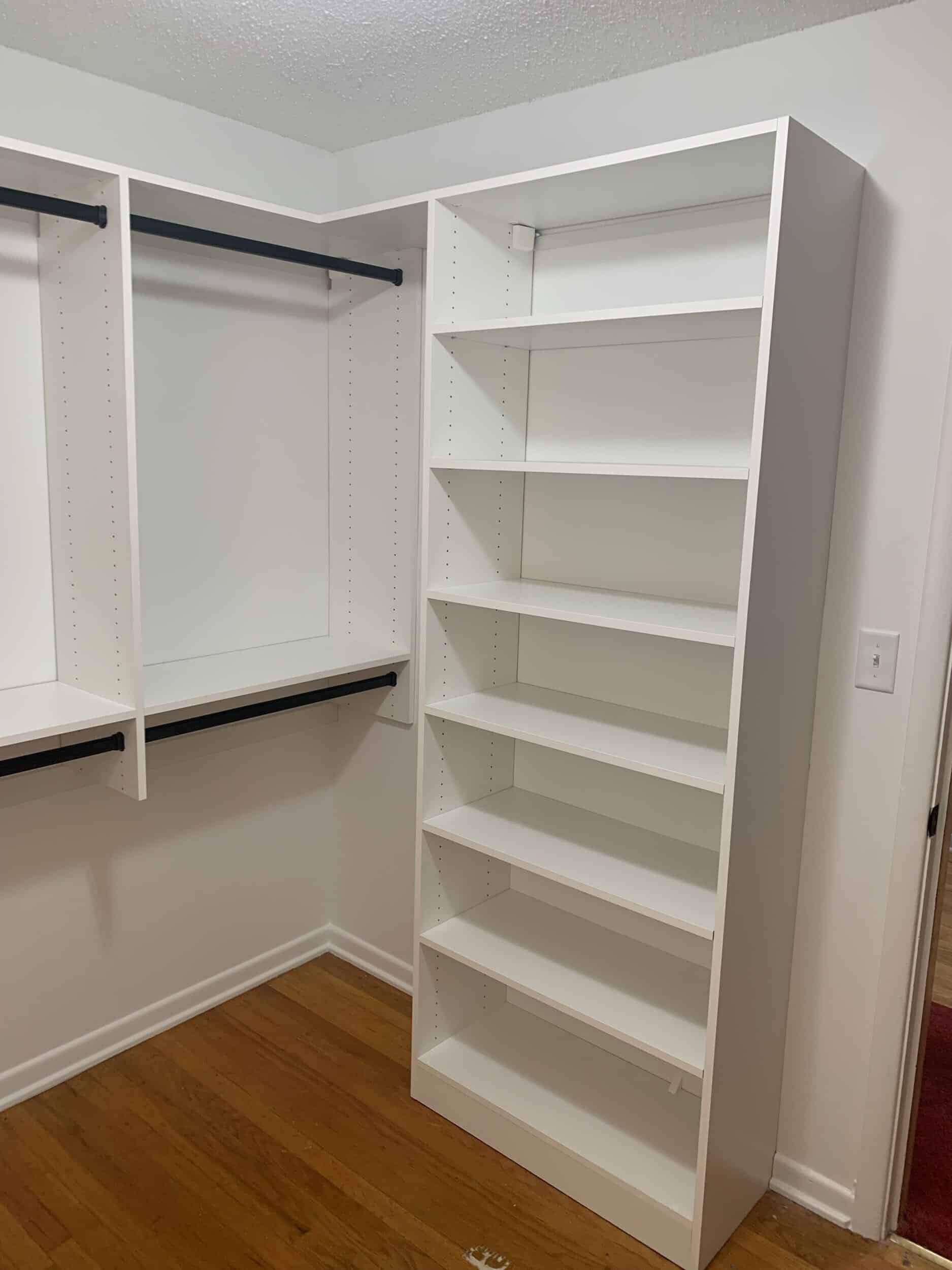
California closet system in new walk-in closet (old bedroom)
Meanwhile, the boys' bedroom received a newly built reach-in closet complete with a closet organization system of its own. Together, these additions create more usable storage while helping everyday life feel simpler and more organized.

Most importantly, these spaces continue reflecting the same purpose that guided every decision throughout the project: creating thoughtful solutions that improve comfort, function, and everyday living.
Purposeful Design Details Come to Life
As the final layers begin coming together, we’re seeing the smaller design choices make a big impact.
Matte black hardware and accessories add clean lines and contrast while keeping the overall aesthetic sleek and modern. These details help anchor the room visually and tie together the surrounding finishes without competing with the bolder color moments happening elsewhere.

Accessible sink about to be installed
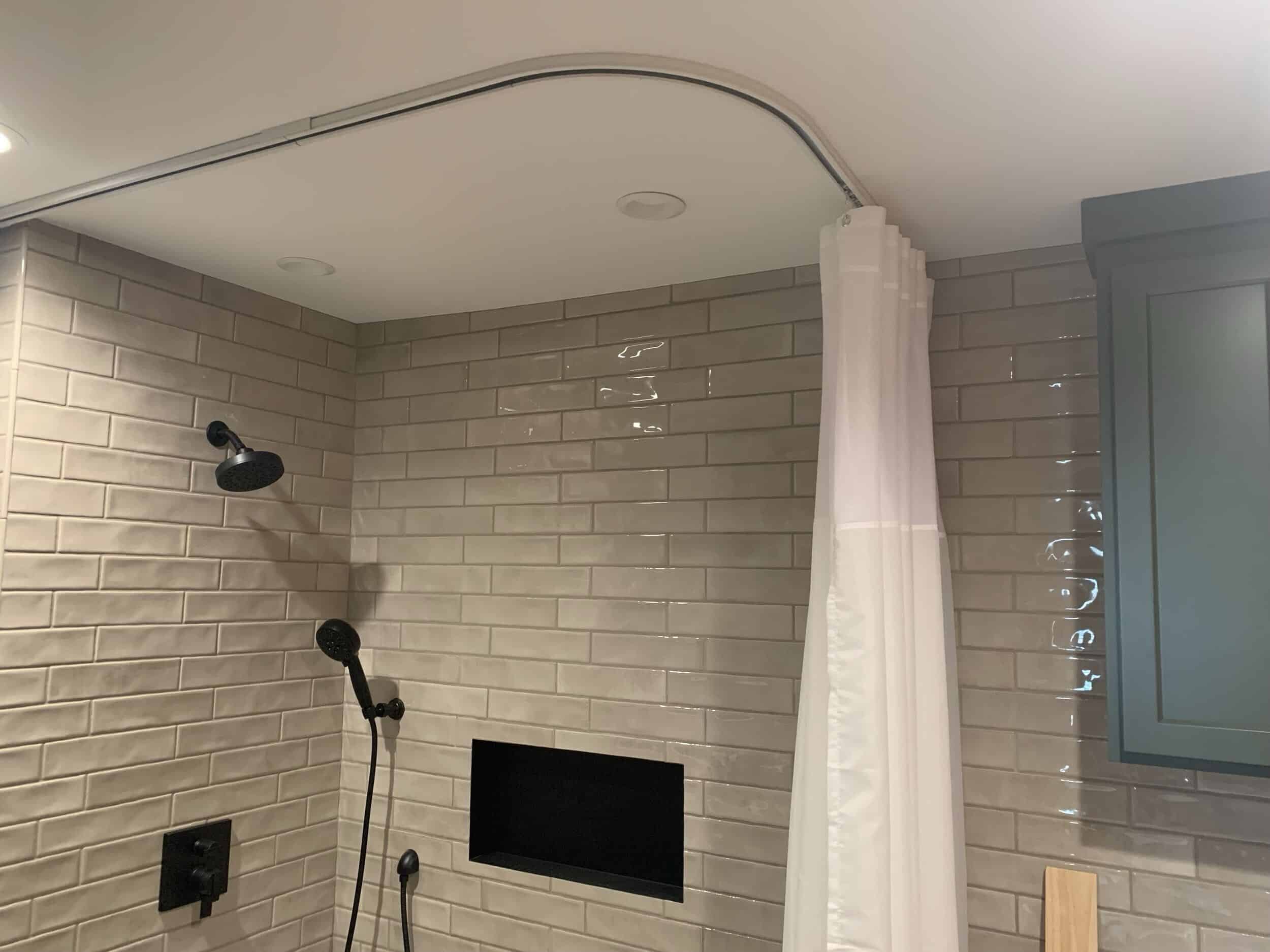
Shower area of wet room coming together
More importantly, every finish and feature selection serves a purpose. Throughout Olivia’s Big Splash, our goal has always extended beyond designing a beautiful bathroom. We set out to thoughtfully improve Matthew’s everyday experience by incorporating features that support greater comfort, confidence, and independence.
Details like the handheld shower option and motion-sensor faucet may seem small, but they can make a meaningful difference in helping Matthew navigate his daily routine with more ease and freedom.
Now, seeing those thoughtful ideas transition from plans and renderings into a real, functional environment makes this stage especially rewarding.
What’s Next?
We are incredibly close. As construction moves toward the finish line, the smaller details are beginning to take center stage. Designer Kelly Summers selected fun accessories, artwork, and finishing touches for both the bathroom and bedroom spaces to bring even more personality into the project. After all, these final layers often become the details that transform a completed remodel into a space that truly feels like home.
Later this week, we’ll reach the moment we’ve all been waiting for: the final reveal. The last fixtures and finishing touches are coming together, and soon the space will be ready for Matthew and his family to enjoy.
Even more exciting, we cannot wait to take you behind the scenes and share one of the most meaningful moments of the entire project—seeing Matthew experience his completed accessible space for the very first time. Watching him wheel into a bathroom thoughtfully designed to support comfort, independence, and everyday life will be so special.
The finish line is officially in sight, and we’re so excited to share every detail with you. Stay tuned and be sure to follow along on Instagram as we share updates from reveal day and bring you behind the scenes of this special transformation.
Frequently Asked Questions: Accessible Bathrooms, Wet Rooms & Aging in Place Remodeling
What is an accessible bathroom design?
An accessible bathroom design removes physical barriers and creates a space that is easier and safer for people of all ages and mobility levels to use. Features can include wider doorways, curbless showers, wheelchair-accessible sinks, grab bars, non-slip flooring, and layouts designed for easier movement throughout the room. Thoughtful accessible design helps improve comfort, safety, and independence while supporting changing needs over time.
What is a wet room bathroom?
A wet room is a fully waterproof bathroom design where the shower area is integrated into the overall room layout rather than enclosed by a traditional shower curb or threshold. Floors are carefully sloped toward drains and surrounding surfaces are designed to handle moisture exposure.
Wet rooms are especially popular in accessible and universal design projects because they create open layouts with fewer barriers and make wheelchair access easier.
Are wet rooms good for wheelchair accessibility?
Yes. Wet rooms can be an excellent solution for wheelchair accessibility because they eliminate many of the barriers found in traditional bathrooms. Without raised shower curbs or tight shower entries, users can often move more freely through the space.
When designed correctly, wet rooms may include features such as:
- Curbless shower entries
- Wheelchair turning space
- Handheld shower systems
- Grab bars
- Specialty bench seating
- Accessible sink designs
- Slip-resistant flooring
- Ceiling-mounted shower curtains or flexible enclosures
These features work together to create a safer and more functional environment.
What is a curbless shower?
A curbless shower—sometimes called a zero-entry shower—removes the raised threshold found in traditional shower designs. Instead, the bathroom floor transitions smoothly into the shower area.
Curbless showers are growing in popularity because they:
- Improve accessibility
- Reduce trip hazards
- Support aging in place design
- Create a cleaner and more open appearance of the bathroom
- Allow easier wheelchair access
They are also a common feature in modern bathroom remodels focused on universal design.
What is aging in place remodeling?
Aging in place remodeling focuses on creating homes that remain functional, comfortable, and safe as needs change over time. Rather than waiting for mobility concerns to arise, homeowners make proactive updates that support long-term independence.
Bathroom improvements commonly include:
- Curbless showers
- Wider walkways and door openings
- Grab bars
- Slip-resistant flooring
- Accessible vanities
- Better lighting
- Shower seating
These updates can help homeowners remain comfortably in their homes longer instead of having to turn to assisted living options.
What should be included in an accessible bathroom remodel?
Every accessible bathroom is different because every individual or family has different needs. However, common features often include:
- Wide entry doors
- Curbless or roll-in showers
- Accessible sinks and vanities
- Grab bars
- Handheld shower fixtures
- Non-slip flooring
- Improved lighting
- Open floor space for mobility devices
- Easy-to-reach storage solutions
A well-designed accessible bathroom balances functionality, comfort, and aesthetics.
How much space does a wheelchair-accessible bathroom need?
The amount of space depends on the user's mobility needs and layout requirements. Many accessible bathrooms include open floor areas that allow comfortable turning and maneuvering for wheelchairs or other mobility devices.
A remodeling team like, Schloegel Design Remodel, experienced in universal design can help determine proper clearances while maintaining a beautiful and functional layout.
What is universal design in bathroom remodeling?
Universal design creates spaces that work for people of all ages, abilities, and stages of life. Rather than designing specifically for one need, universal design focuses on flexibility, ease of use, and long-term functionality.
In bathrooms, universal design can include accessible showers, intuitive layouts, wider pathways, and features that blend seamlessly into beautiful design.
Can accessible bathrooms still look on trend?
Absolutely. Modern accessible design no longer feels institutional or clinical. Today’s accessible bathrooms can incorporate bold cabinetry colors, custom tile selections, sleek fixtures, warm finishes, and thoughtful design details while still improving function and accessibility.
The best projects combine beauty and purpose!
Why are curbless showers becoming more popular?
Curbless showers continue to gain popularity because they combine design and function. Homeowners appreciate their clean appearance, easier maintenance, accessibility benefits, and ability to support aging in place goals.
Many people choose curbless showers not because they currently need accessibility features, but because they want a bathroom designed to work well for years to come.
Thoughtful design can make a meaningful difference in everyday life. If you're ready to create a home that feels more functional, comfortable, and accessible, contact our team to start the conversation!
