
Kansas City boasts an incredibly diverse array of residential architectural styles, each contributing to the unique character of our local neighborhoods. Whether you admire the formal elegance of a Colonial Revival, the sturdy appeal of an older Craftsman Bungalow, or the sleek lines of contemporary new builds, there's a rich history built into our community's homes.
As experts in residential remodeling, it's crucial that our team understands these unique styles to preserve and enhance a home's integrity. Our approach prioritizes knowledge of these styles, ensuring that any renovation respects the original design while thoughtfully incorporating modern functionalities and aesthetics. This balance is helpful for maintaining a home's beauty and value.
Join us as we break down some of the key architectural styles you'll find throughout the Kansas City metro, offering insights into their origins, defining features, and where they typically stand on both sides of the state line and into the bustling suburbs.
Consider this your go-to resource for appreciating the architectural tapestry that makes Kansas City homes so special!

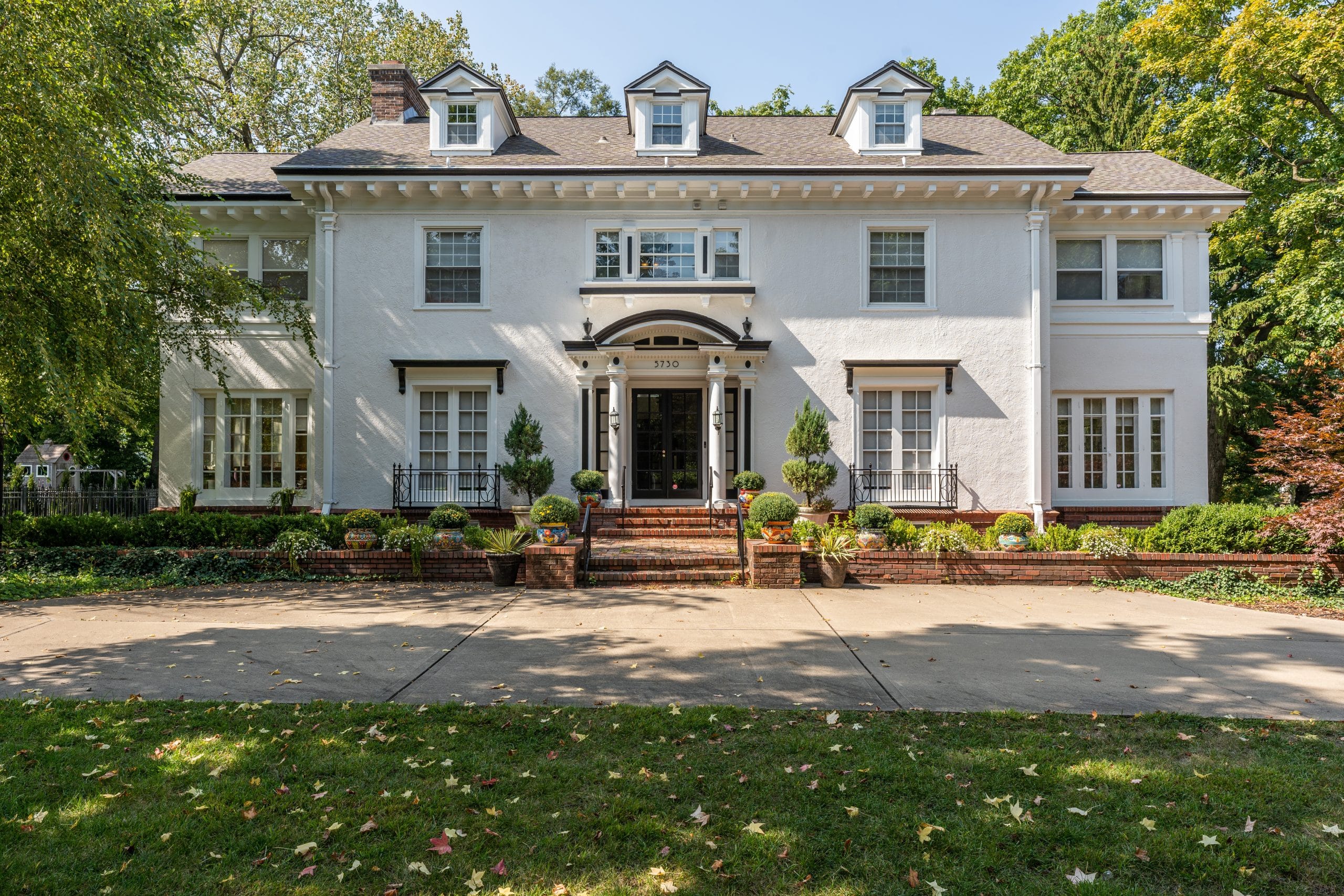
1. Georgian
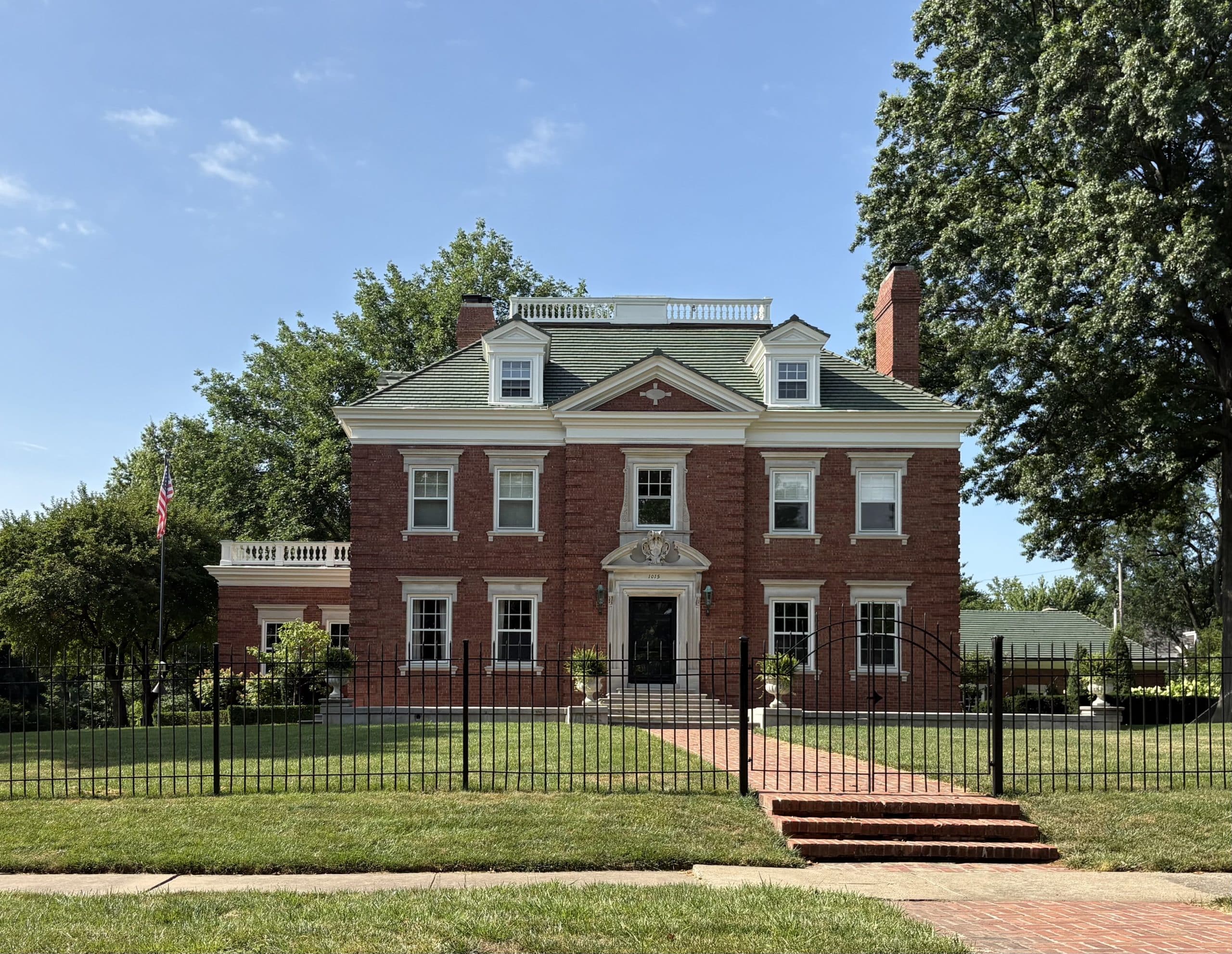
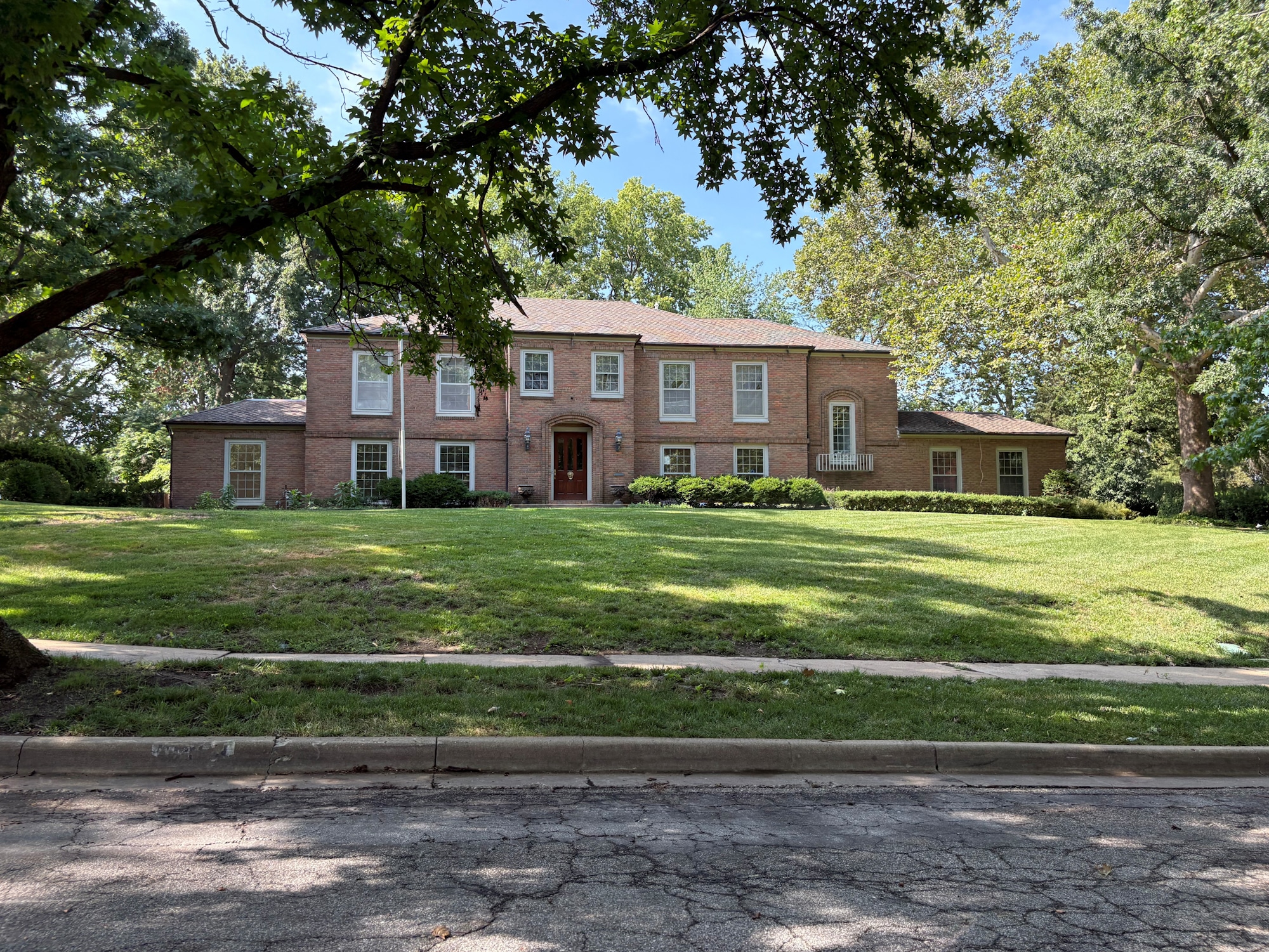
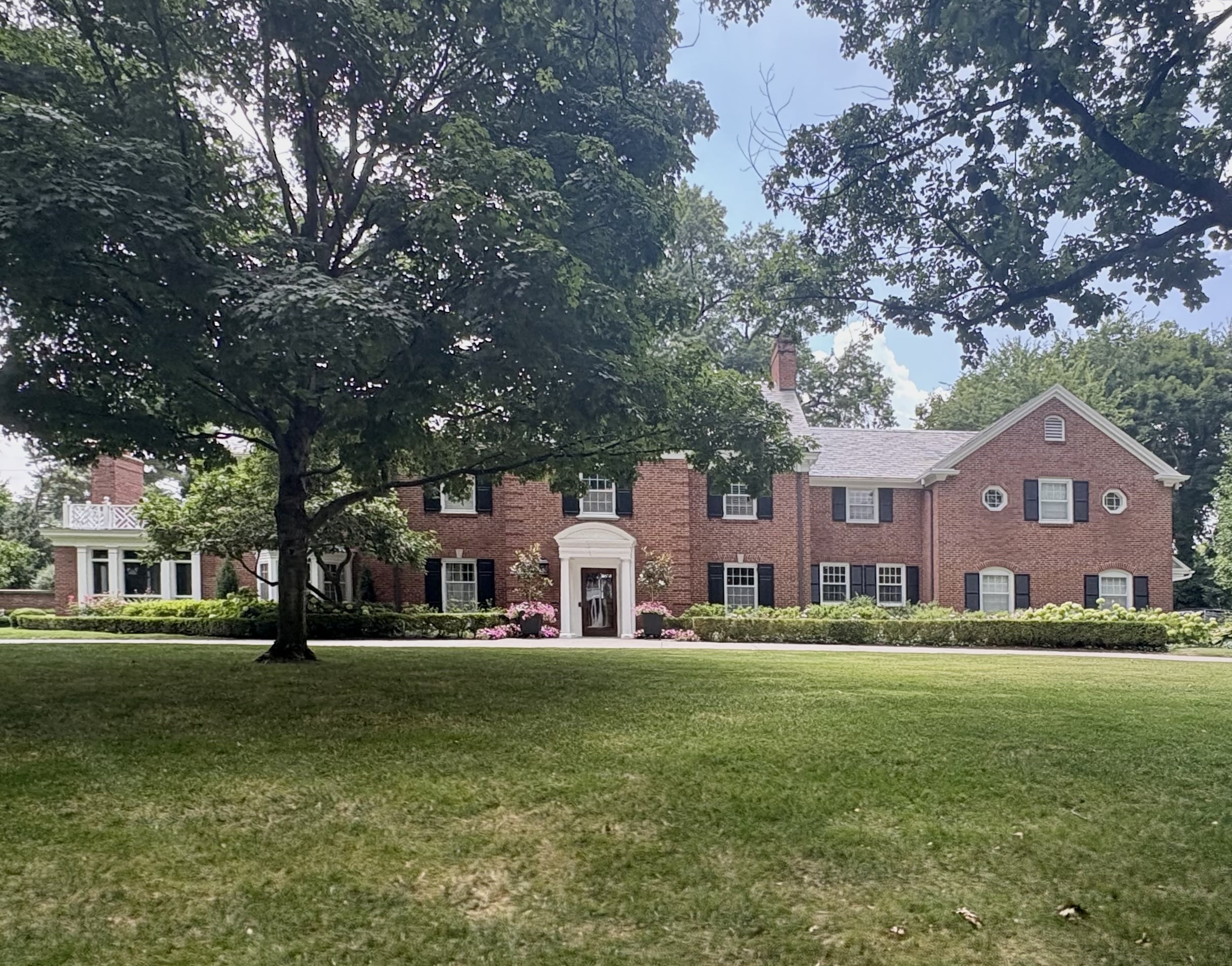
When Built & Why: Predominantly seen in the United States from the early 1700s to the 1780s, but revivals can be found well into the 20th century. These homes reflected a desire for order, symmetry, and classical elegance, mirroring the architectural trends of King George's reign in Great Britain.
Unique Features: Symmetrical facade, often two stories with a central front door flanked by equal numbers of windows on each side. Typically brick or stone, with a hip or side-gabled roof, multi-pane double-hung windows, and often decorative elements like pediments above the door and elaborate cornices.
KC Locations: While true 18th-century Georgians are rare, you'll find Georgian Revival homes in older, established upscale neighborhoods like parts of Mission Hills, Kansas, and the Country Club Plaza area in Kansas City, Missouri, often built in the early to mid-20th century as a nod to classic design.
2. Cape Cod
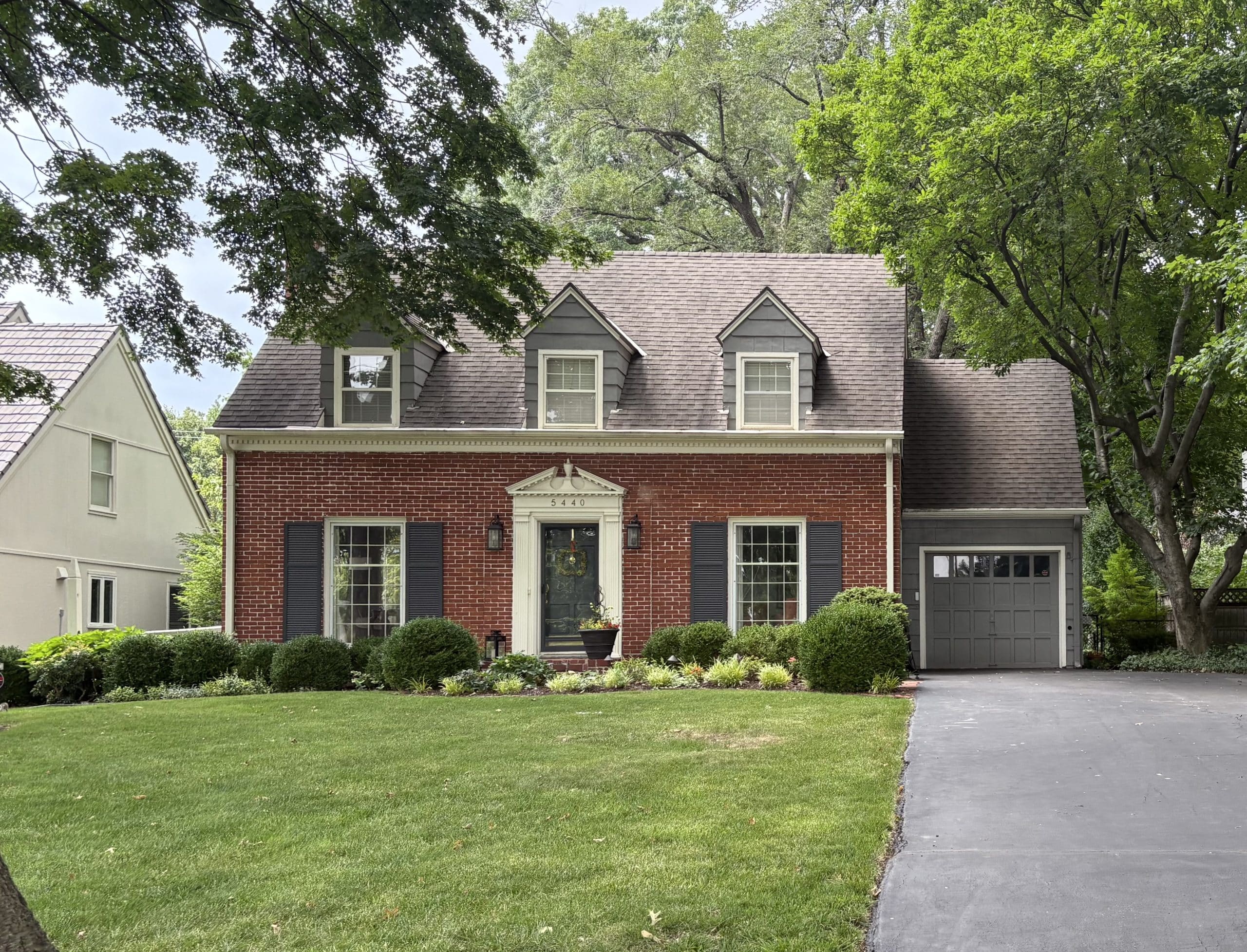
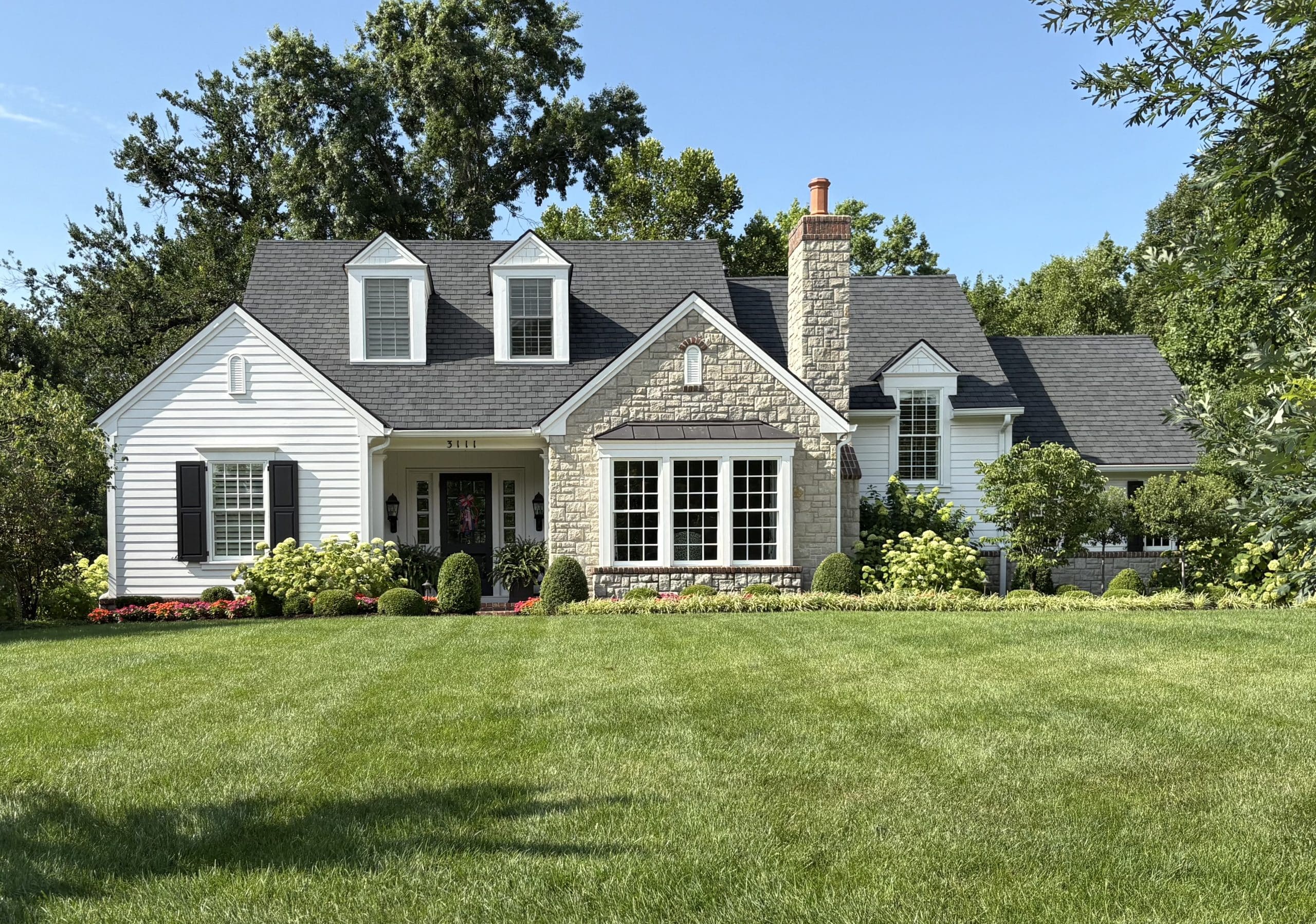
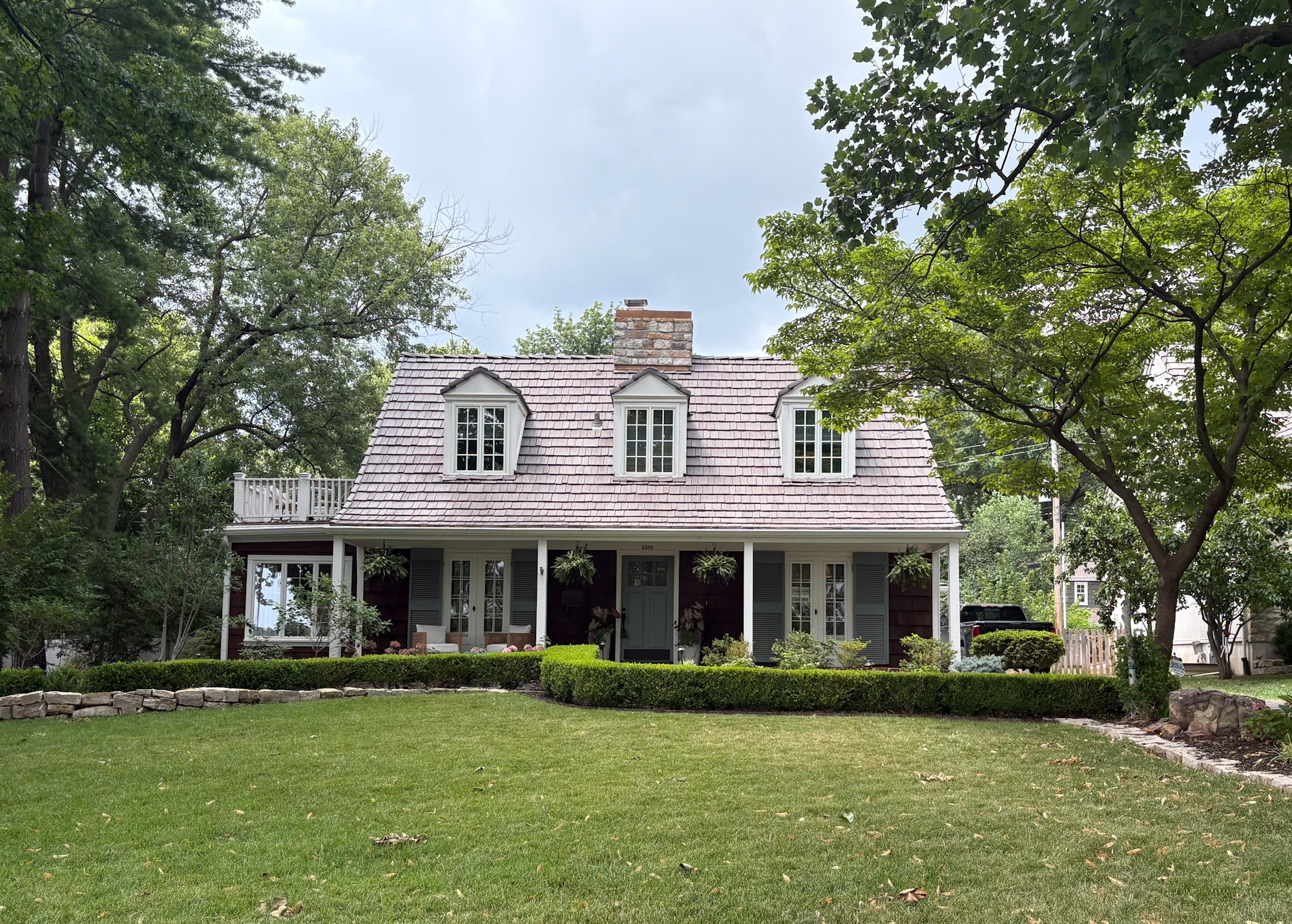
When Built & Why: Originated in the 17th century but experienced a significant revival from the 1930s to the 1950s, especially after World War II, as a popular style for returning soldiers due to its economical construction and cozy appearance.
Unique Features: A defining characteristic is the steep gabled roof, often with dormer windows, and a central chimney. Typically, one or one-and-a-half stories, rectangular, and modest in size, often with clapboard or shingle siding.
KC Locations: Very common in the post-WWII suburban developments. You'll see a high concentration in Prairie Village, parts of Overland Park, Kansas, and many of the more established neighborhoods in south Kansas City, Missouri, built in the mid-20th century.
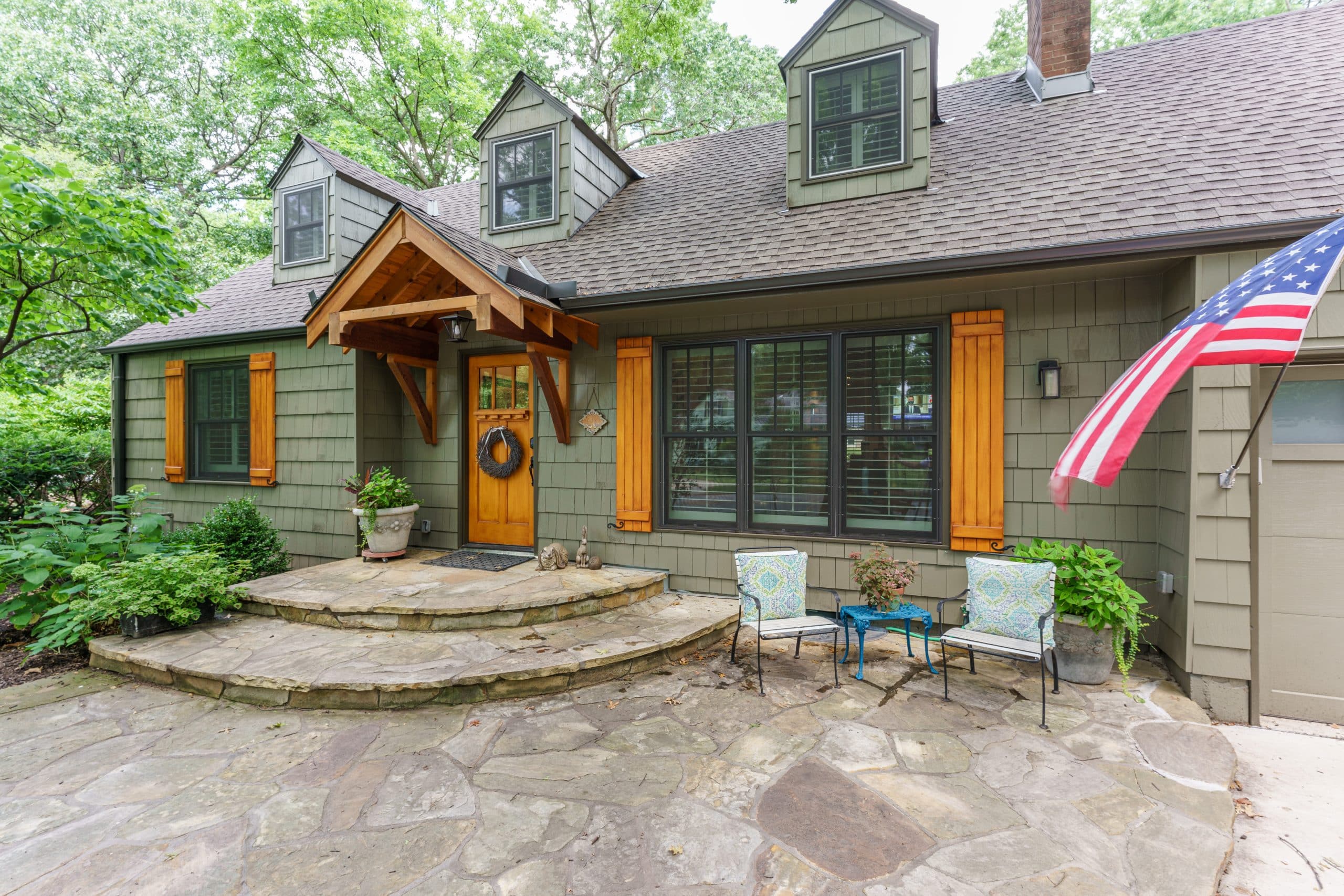
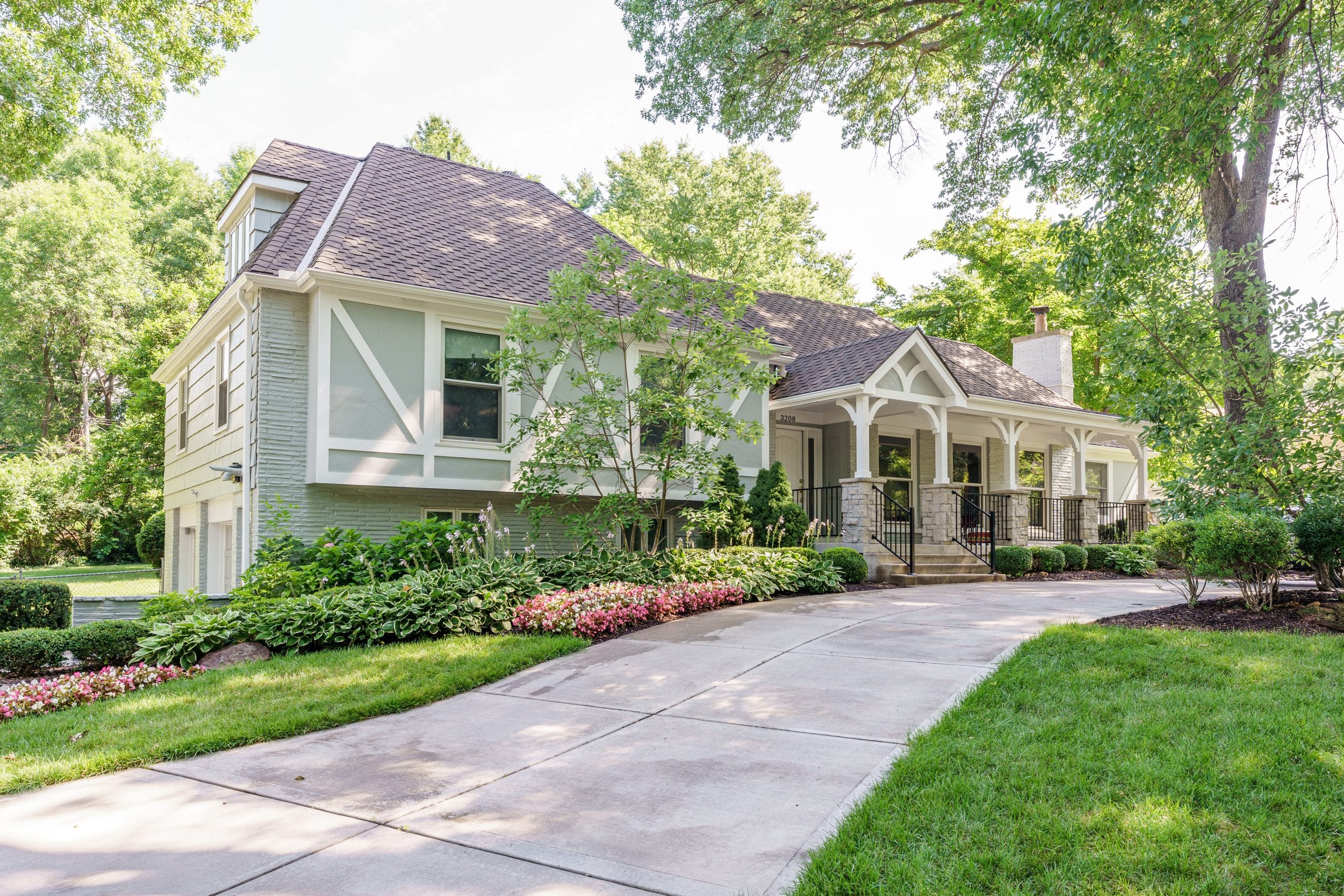
Schloegel addition and whole house project on this Cape Cod ranch in Prairie Village, more details here.
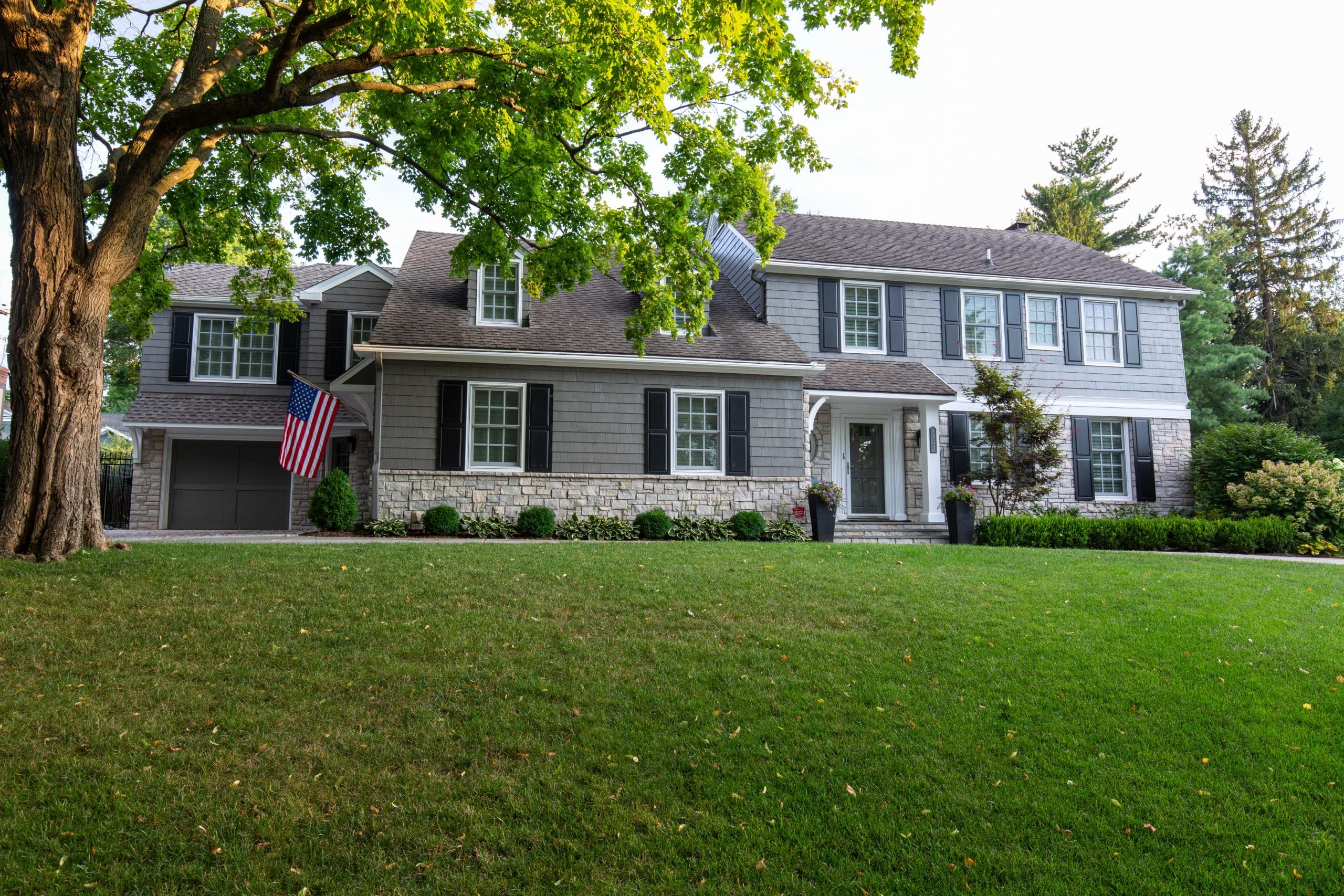
Schloegel Prairie Village exterior project, more details here. This home combines Cape Cod features with some elements of colonial revivals.
3. Ranch
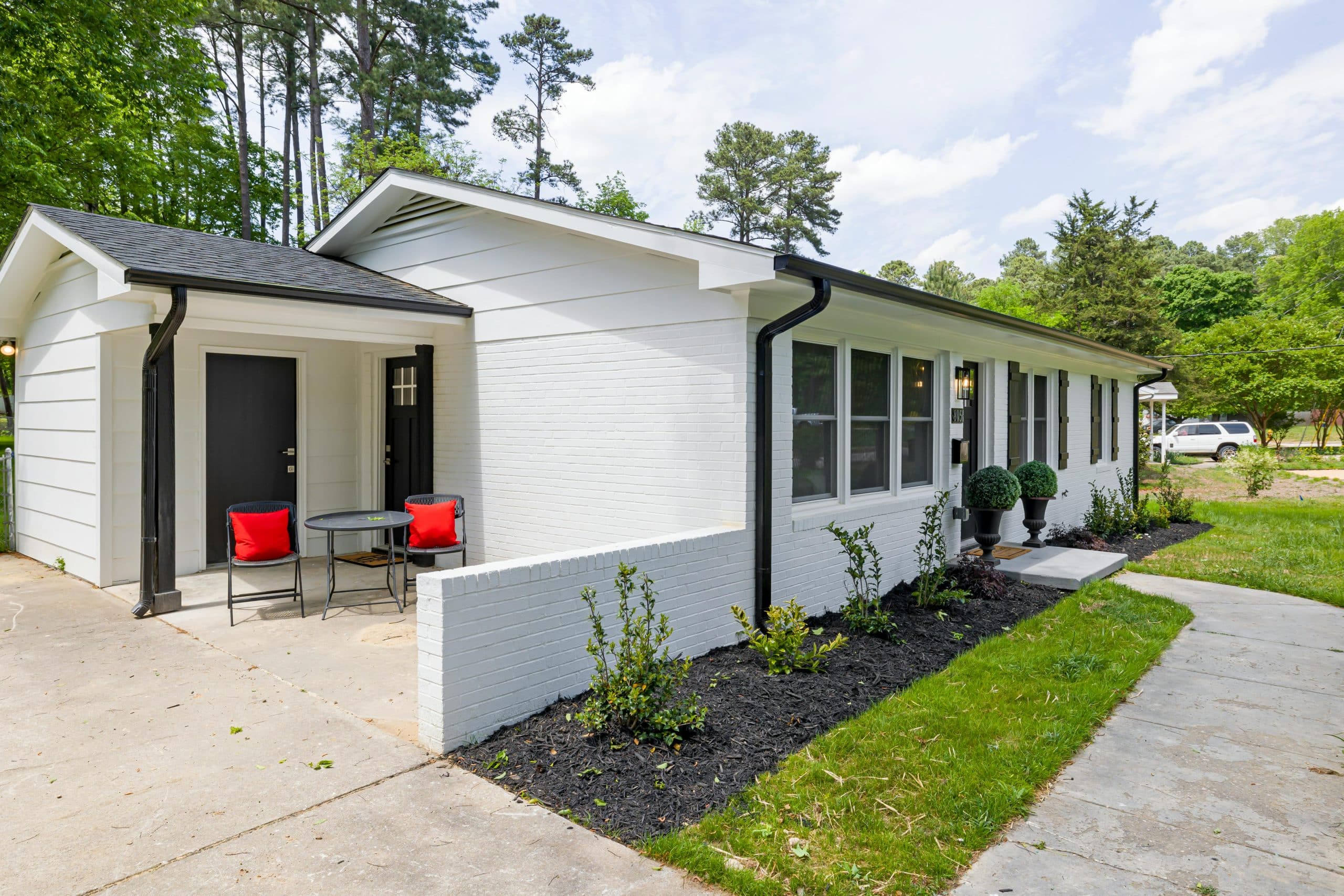
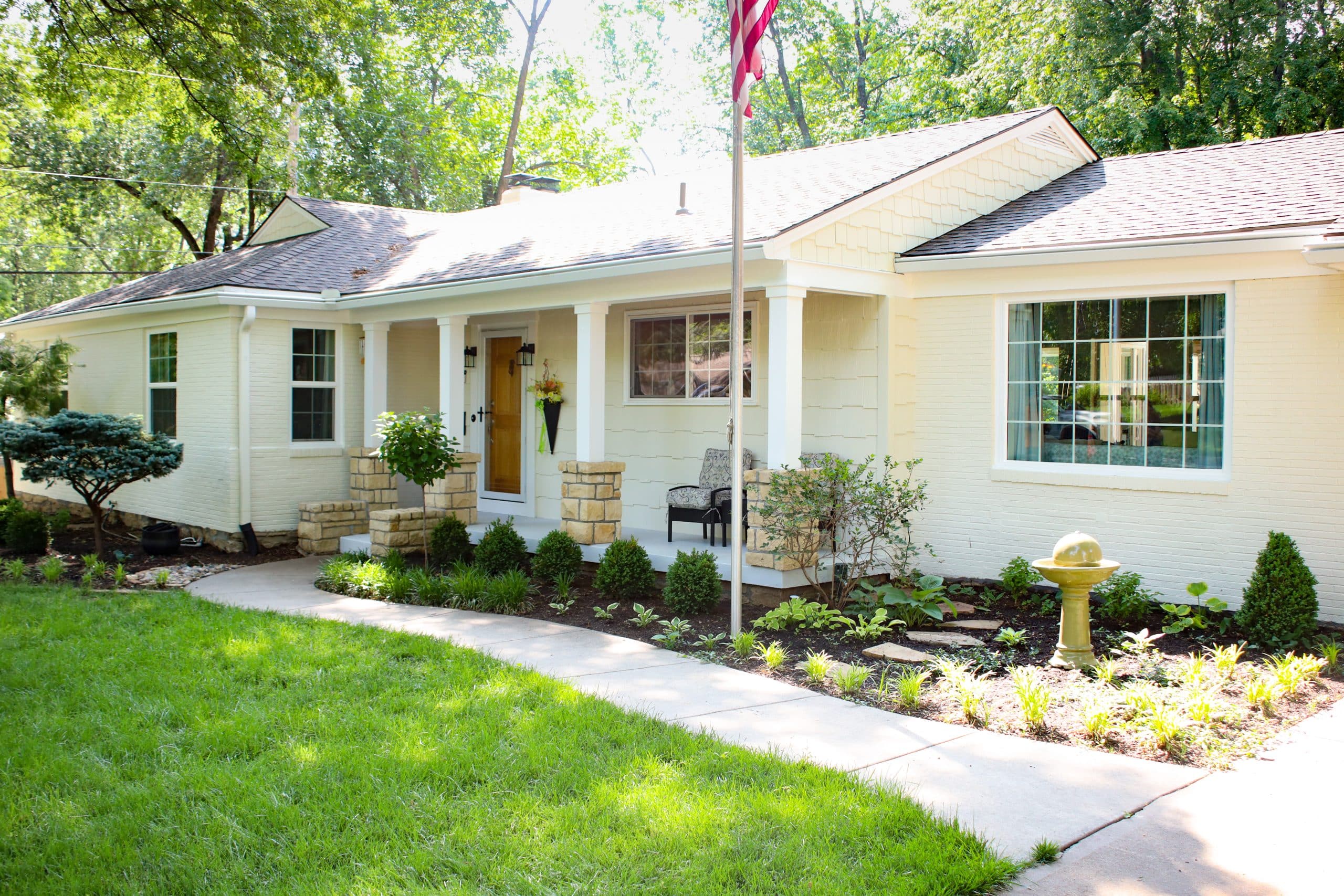
When Built & Why: Exploded in popularity from the 1940s through the 1970s. Their open floor plans, single-story living, and connection to outdoor spaces appealed to the growing post-war middle class seeking convenience and a casual lifestyle.
Unique Features: Defined by their single-story layout, long, low profile, and often an open-concept interior. They can come in various sub-styles (e.g., California Ranch, Suburban Ranch, Split-Level). Common features include a low-pitched roof, attached garage, and sliding glass doors leading to a patio or backyard.
KC Locations: Ubiquitous across almost all Kansas City suburbs developed in the mid-20th century. You'll find them in abundance throughout Overland Park, Lenexa, Olathe, and Shawnee in Kansas, and extending into many neighborhoods in south Kansas City, Missouri, and Lee's Summit, Missouri.
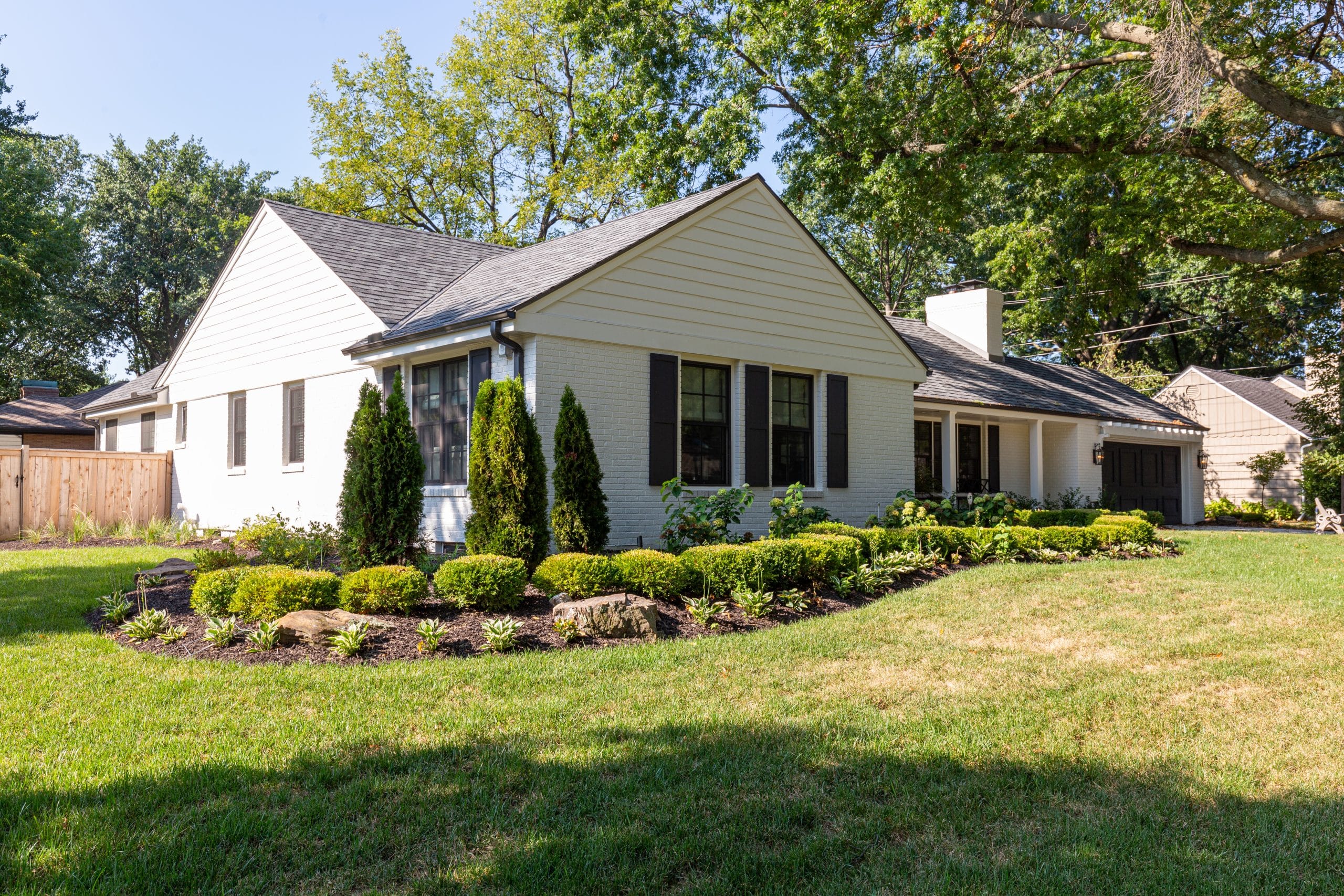
Mission Hills ranch whole home Schloegel project, more details here.
4. Craftsman Bungalow
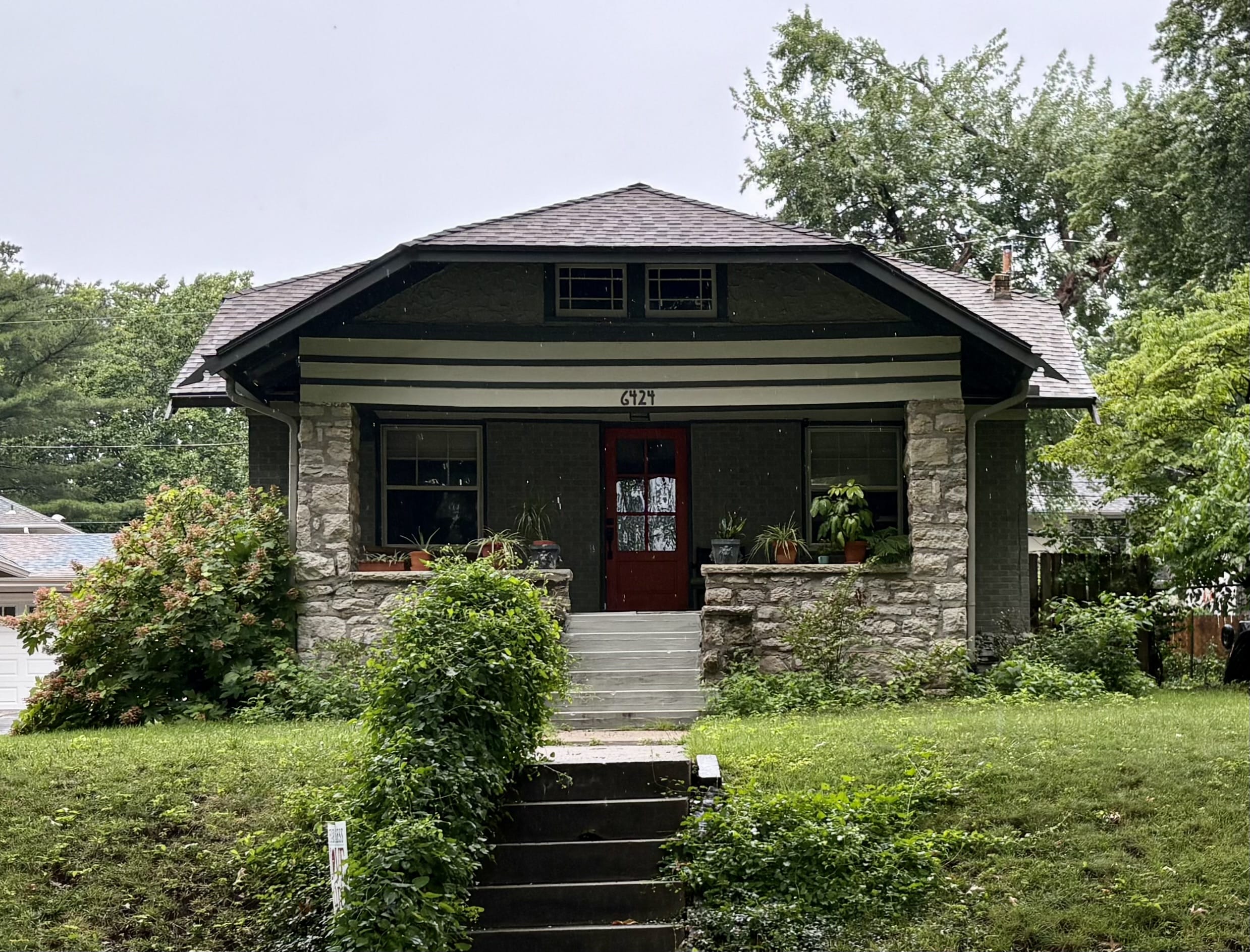

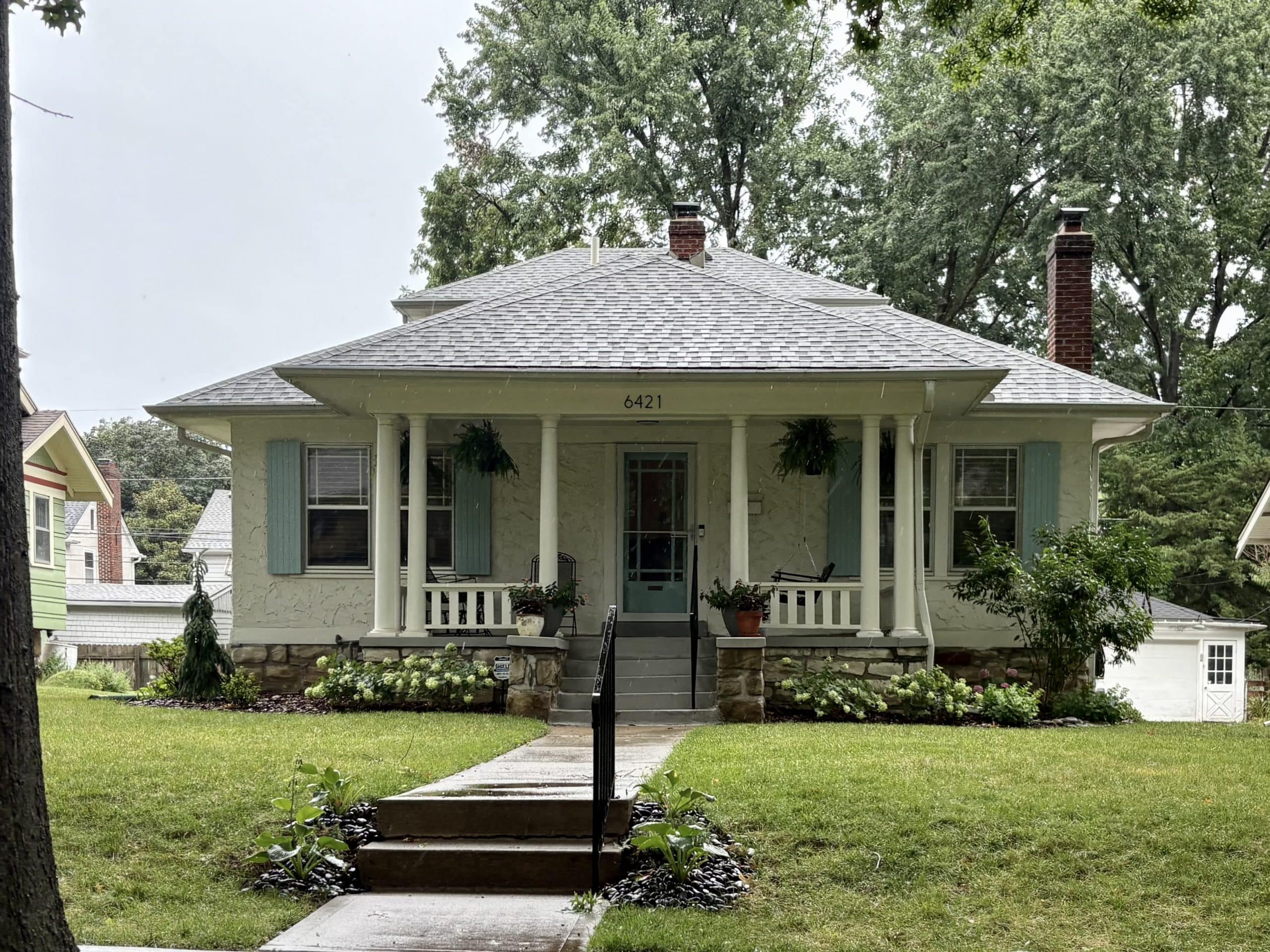
When Built & Why: Popularized between 1900 and 1930. The Craftsman movement emphasized handcrafted quality, natural materials, and a rejection of industrial mass production, appealing to those seeking homes with warmth, charm, and a connection to nature.
Unique Features: Characterized by low-pitched gabled or hipped roofs with wide, unenclosed eaves; exposed roof rafters; decorative brackets under gables; and often a large, inviting front porch with thick, tapered columns. Natural materials like wood, stone, and brick are prominent. Inside, you'll find built-in cabinetry and woodwork.
KC Locations: Abundant in older, streetcar-era neighborhoods, especially in south Kansas City, Missouri like Waldo, Brookside, and older parts of Mission Hills, and some areas of Kansas City, Kansas, and Independence, Missouri.

5. Tudor Revival
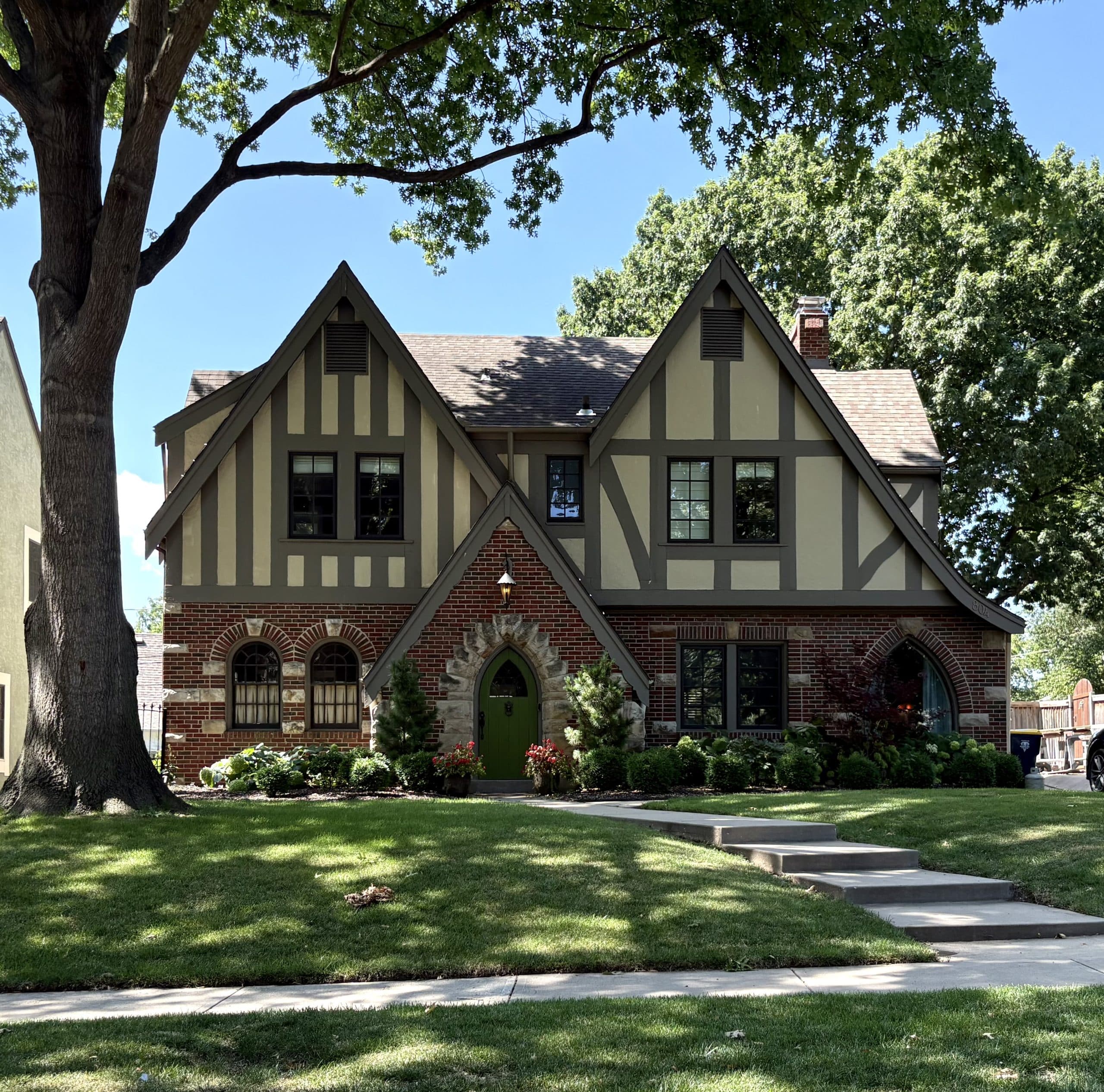
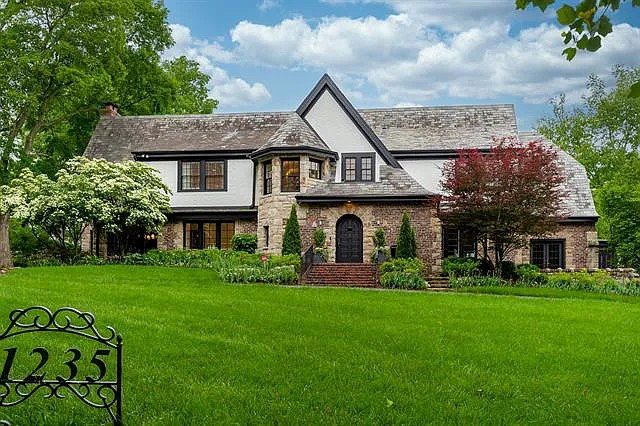

When Built & Why: Most popular from the 1890s to the 1940s, with a smaller resurgence later. This style evoked a sense of old-world charm, romance, and English countryside elegance, often favored by more affluent families.
Unique Features: Easily recognizable by their steeply pitched gabled roofs, prominent chimneys (often with decorative chimney pots), and most notably, their half-timbering (exposed dark wood timbers set against light-colored stucco or masonry infill). They often feature decorative brickwork, tall, narrow multi-pane windows, and often an asymmetrical layout.
KC Locations: You'll find beautiful examples in some of Kansas City's most prestigious and historic neighborhoods, including the Country Club Plaza area, Brookside, Mission Hills, Kansas, and parts of Northeast Kansas City, Missouri.
6. Colonial Revival
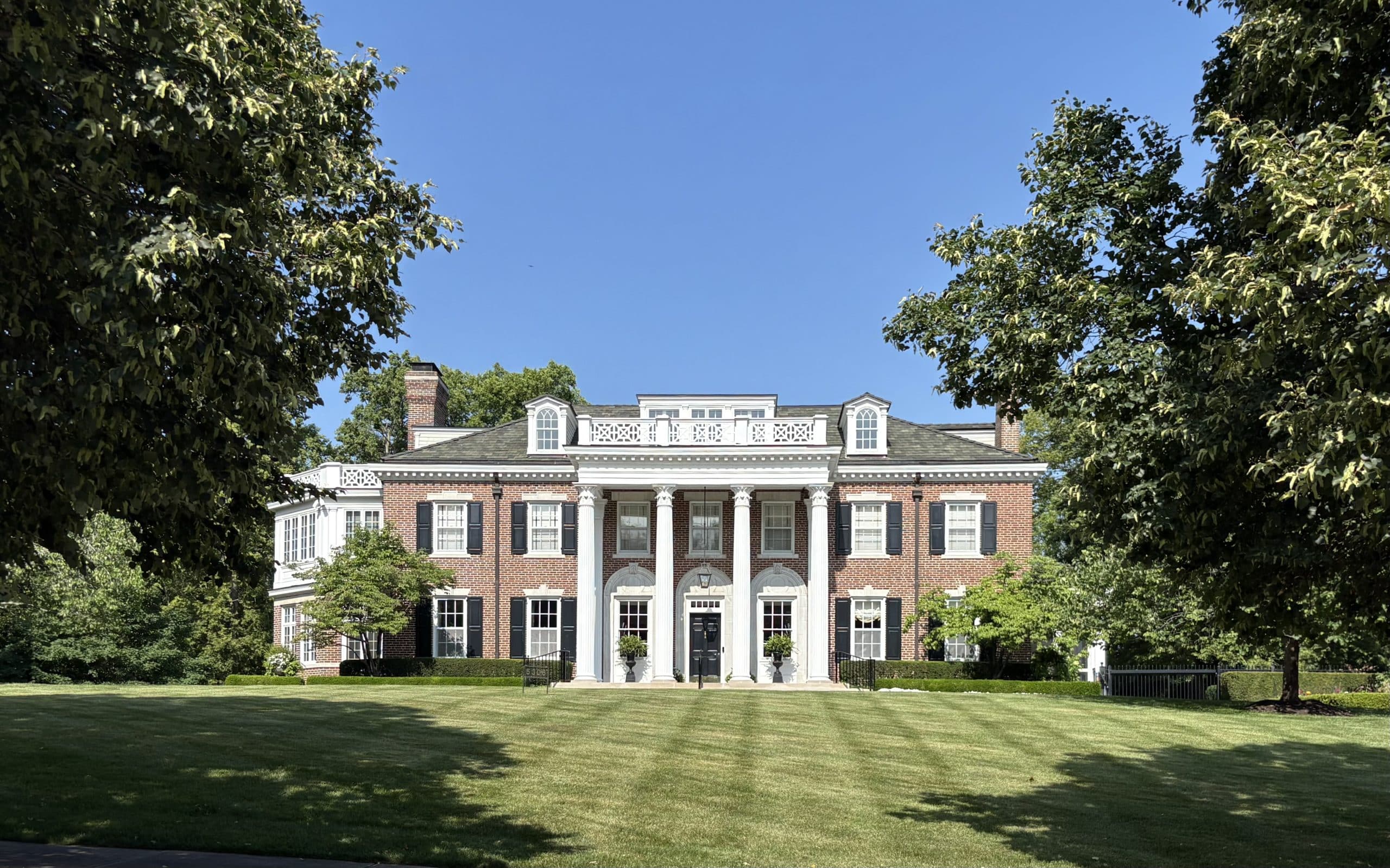

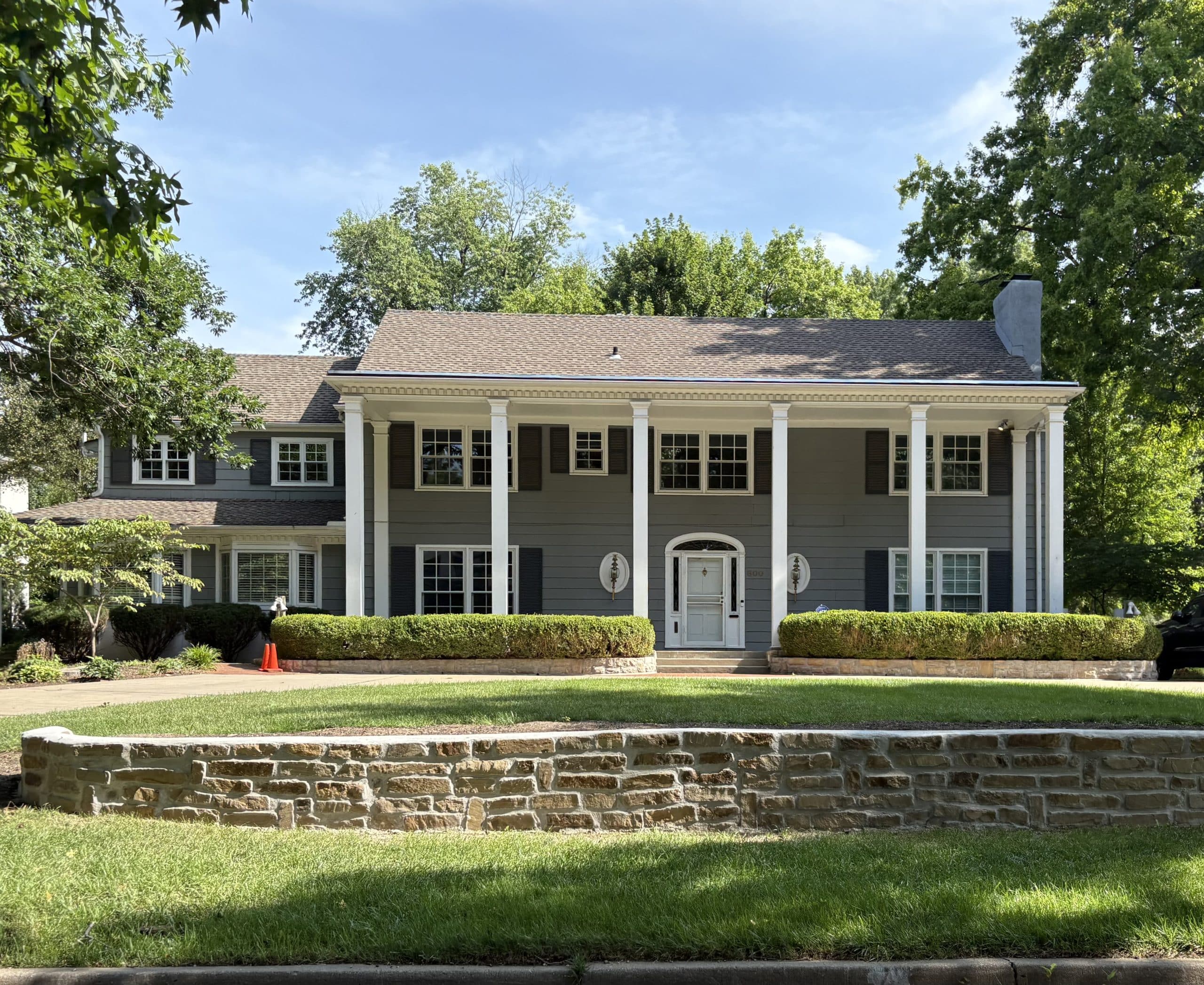
When Built & Why: "Colonial" is a broad term, but in the context of residential architecture, it often refers to Colonial Revival, popular from the late 19th century through the mid-20th century, and still built today. These homes harked back to the earliest American architectural styles, symbolizing tradition, stability, and historical connection.
Unique Features: Generally two stories, symmetrical, with a central front door, often with a fanlight or sidelights. They typically have a medium-pitched roof, regularly spaced windows, and often brick or wood siding. Sub-styles include Dutch Colonial (gambrel roof), Georgian Colonial, and Federal Colonial.
KC Locations: Widespread in established, well-to-do neighborhoods throughout the metro. You'll see many Colonial Revival homes in Mission Hills, and Prairie Village, Kansas, the Country Club Plaza area, and older parts of Lee's Summit, Missouri, and North Kansas City, Missouri.
Schloegel exterior project on Ward Parkway, more details here.
7. American Foursquare + KC Shirtwaist
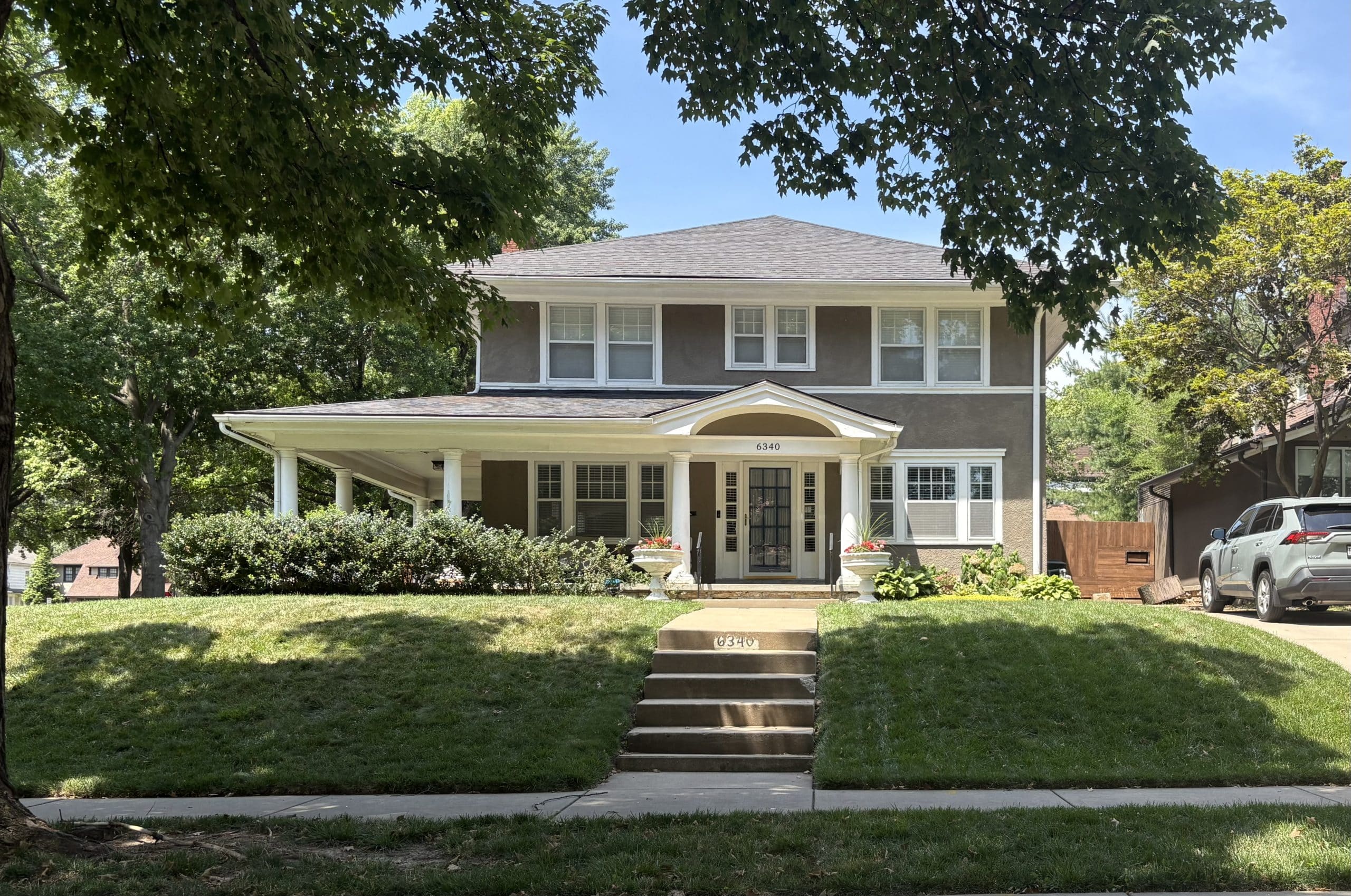

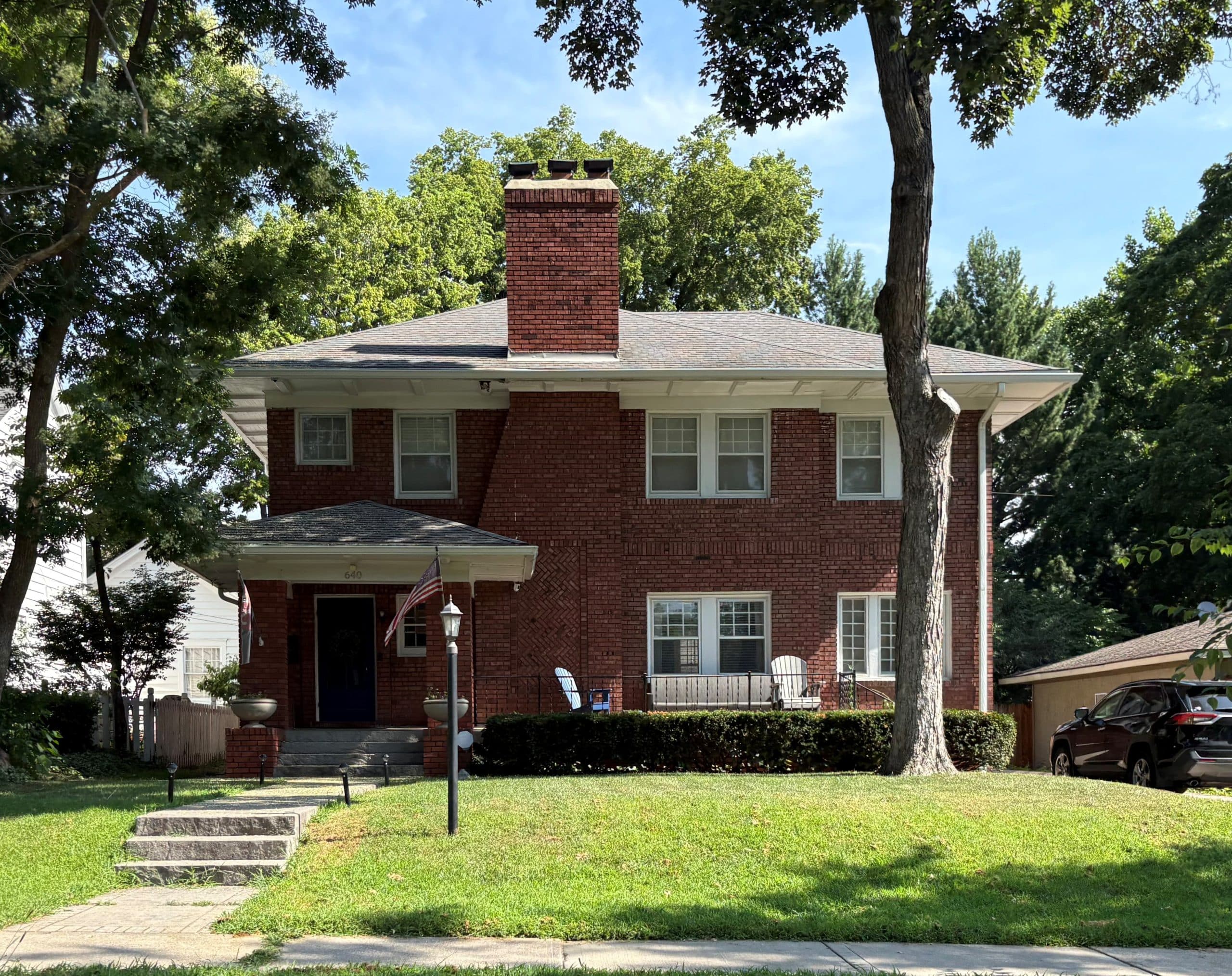
When Built & Why: Both the American Foursquare and the Kansas City Shirtwaist emerged as popular residential styles from the late 19th century into the early 20th century, generally spanning the 1890s to the 1930s. These designs were a response to the needs of urban and suburban living, offering practical, efficient, and often more affordable alternatives to the ornate Victorian styles that preceded them. They provided generous interior space on compact or narrower lots, making them ideal for growing middle-class families. The "Shirtwaist" style, a truly local Kansas City phenomenon, earned its name from the distinctive contrasting materials of its first and upper stories, visually resembling a skirt and blouse.
Unique Features: The American Foursquare is characterized by its boxy, cube-like shape, typically two-and-a-half stories high, often topped with a low-hipped roof and wide, overhanging eaves. Many Foursquares feature a large, full-width front porch supported by sturdy columns, and frequently include a central dormer. Exterior materials vary widely but commonly include brick, stucco, or wood siding. In contrast, the Kansas City Shirtwaist is uniquely defined by its two-story structure where the entire first floor is masonry (brick or stone), with a clear transition to wood frame on the upper story/stories, often clad in clapboard or shingles. Shirtwaists also typically feature a prominent front porch, which sometimes wraps around one side, all within a relatively compact footprint.
Kansas City Locations: Both of these styles are signature elements of Kansas City's older, turn-of-the-century neighborhoods. You'll find a high concentration of both American Foursquares and Kansas City Shirtwaists in Midtown Kansas City, Missouri (including areas like Brookside, Waldo, Hyde Park, Roanoke, and Valentine), Westport, and many of the older neighborhoods in Kansas City, Kansas. Shirtwaists are also extensively found in parts of Northeast Kansas City, Missouri. These homes collectively form a significant part of Kansas City's architectural heritage.
8. Mid-Century Modern
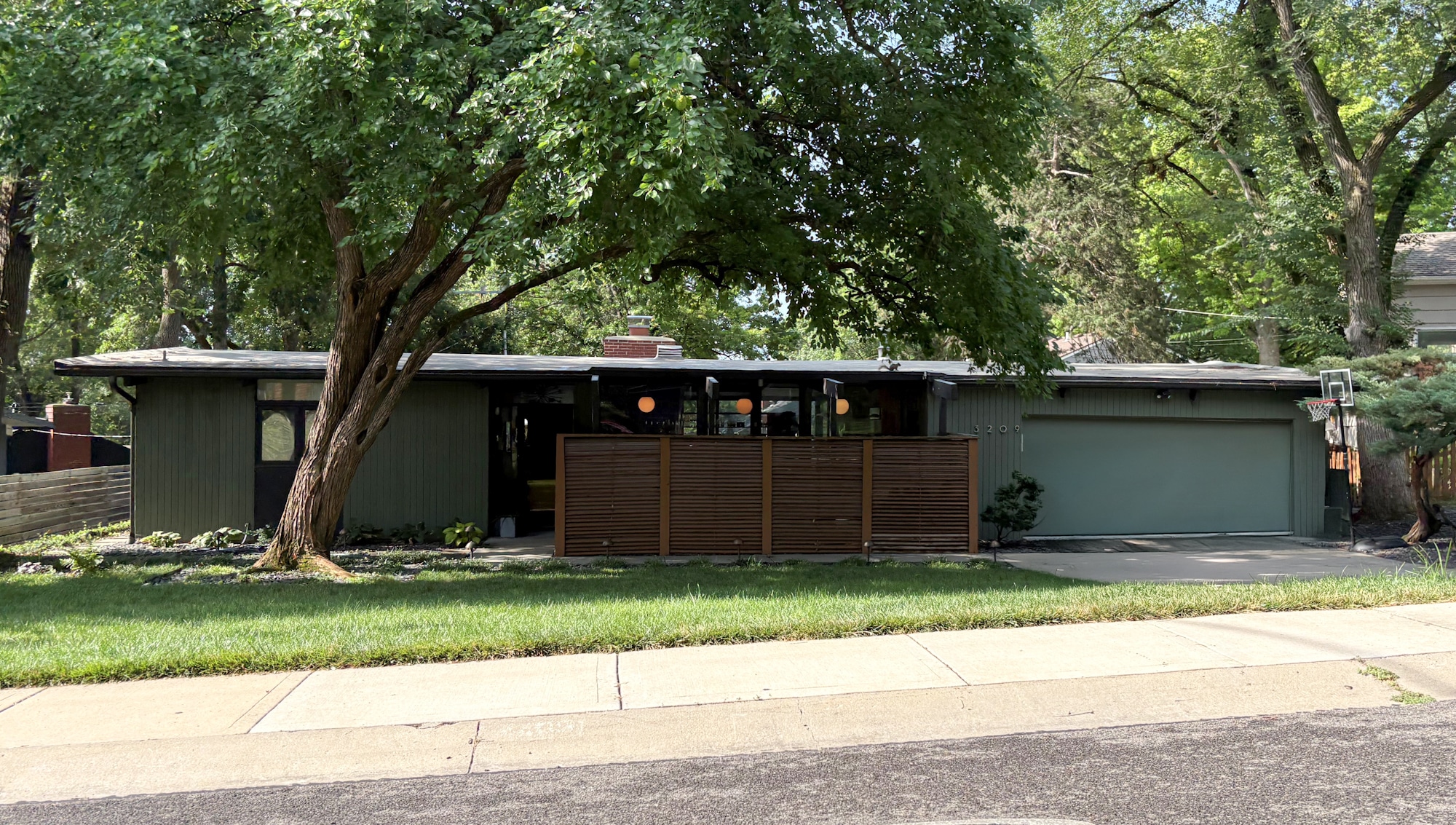

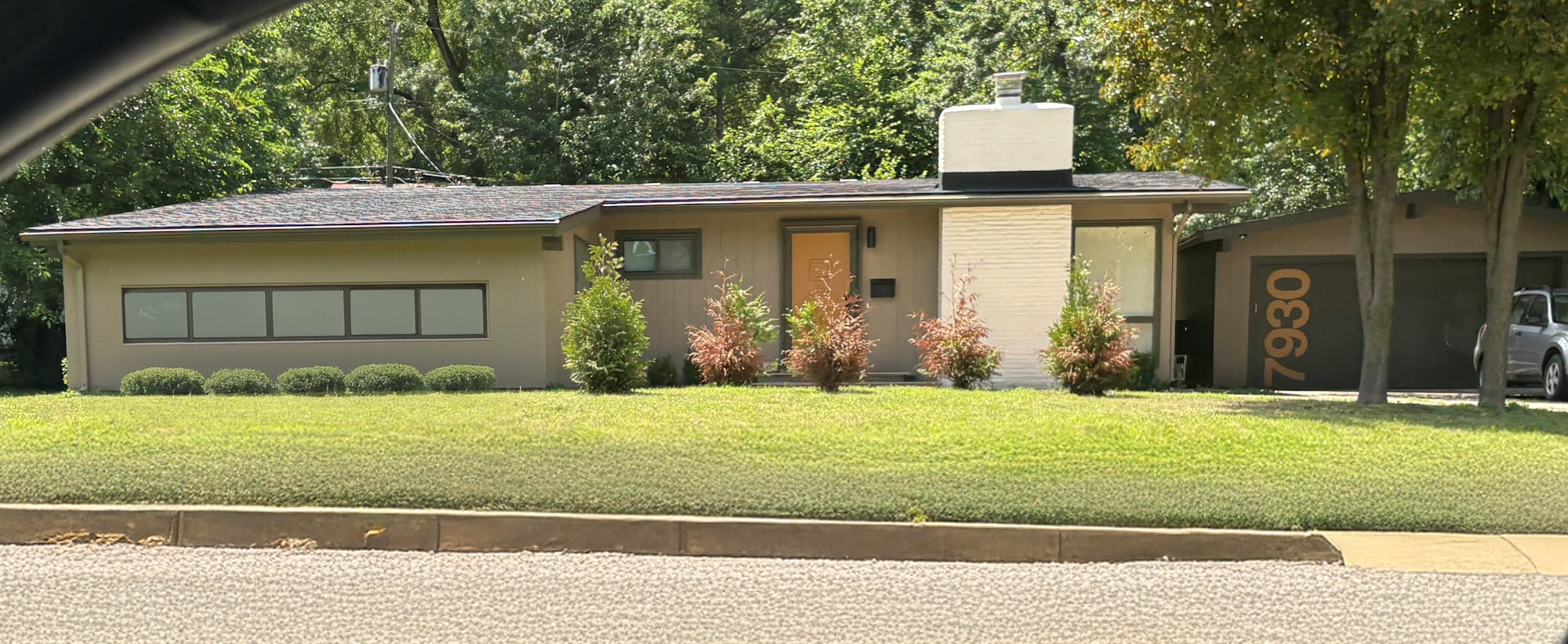
When Built & Why: Primarily from the mid-1940s to the mid-1960s. This style emerged from the post-WWII boom, embracing new materials, technologies, and a desire for functional, sleek, and integrated living spaces that connected with nature.
Unique Features: Clean lines, often with flat or low-pitched roofs, large windows (including floor-to-ceiling glass), open floor plans, and a strong emphasis on indoor-outdoor living. Materials like concrete, steel, glass, and wood are common. Integration with the landscape is key.
KC Locations: While not as prevalent as in some other major cities, Kansas City has a growing appreciation for MCM. You'll find pockets of these homes in established suburbs, particularly in certain subdivisions in Prairie Village, and Overland Park, Kansas, and some custom-built homes in south Kansas City, and Raytown, Missouri.
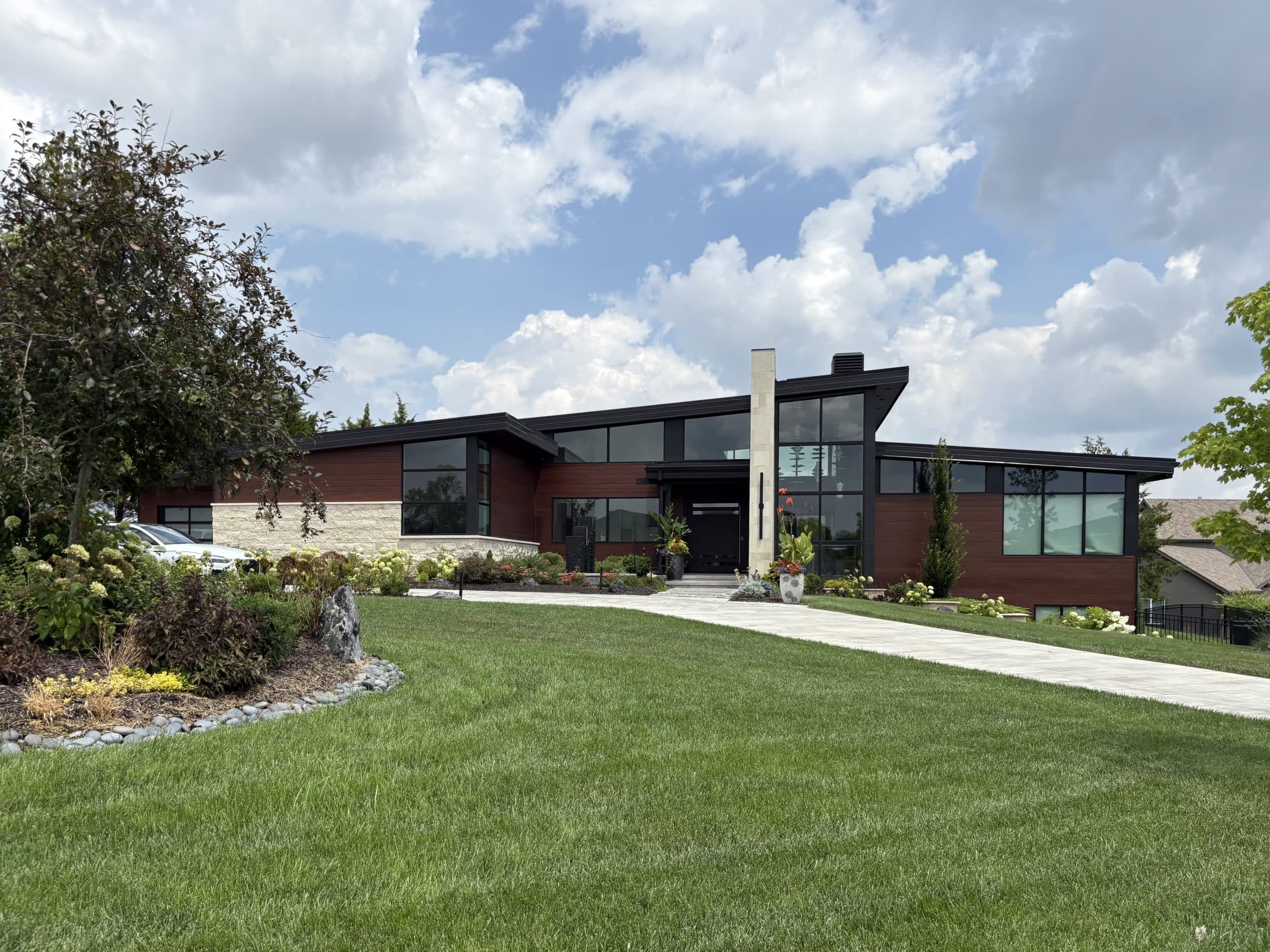
9. Contemporary
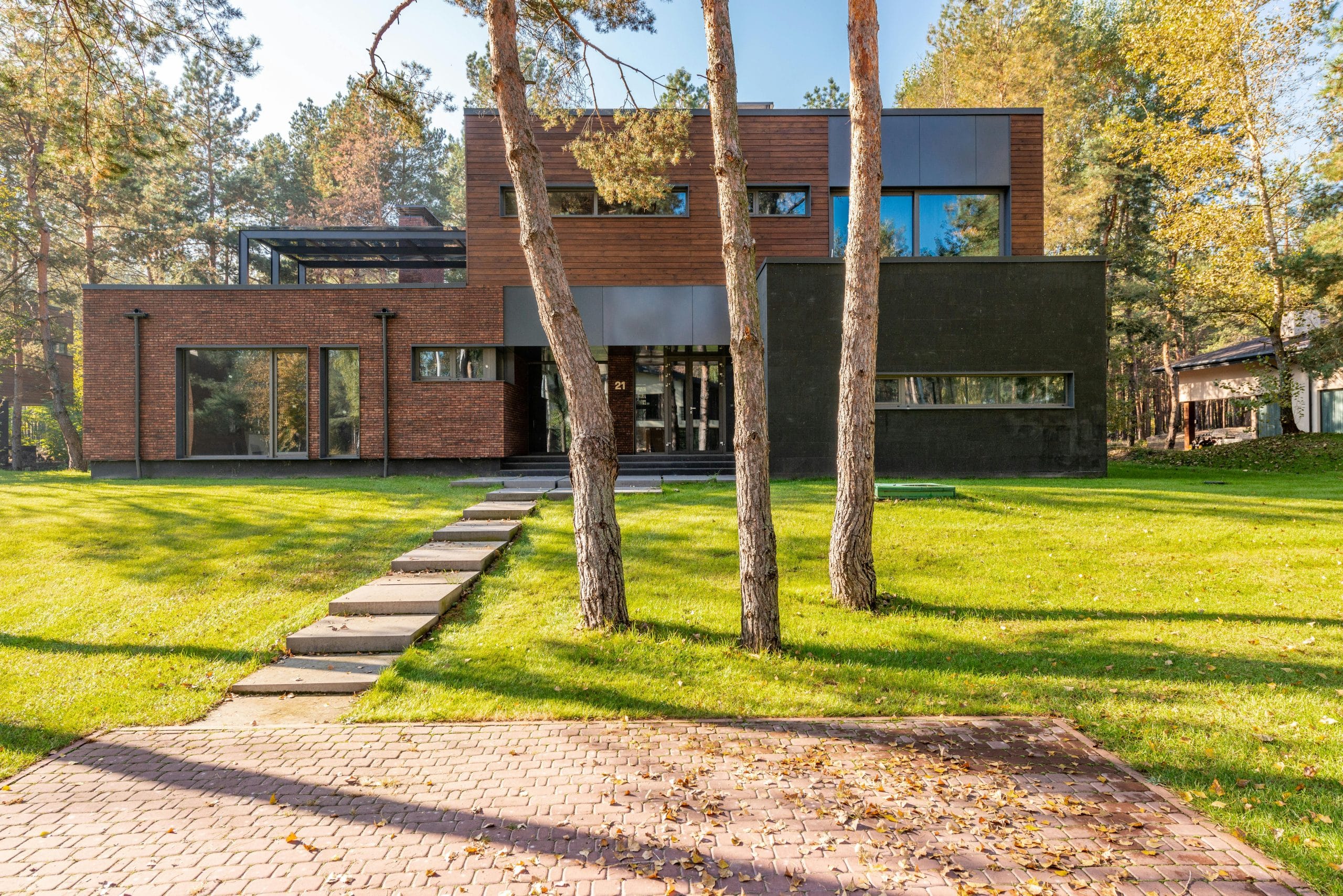
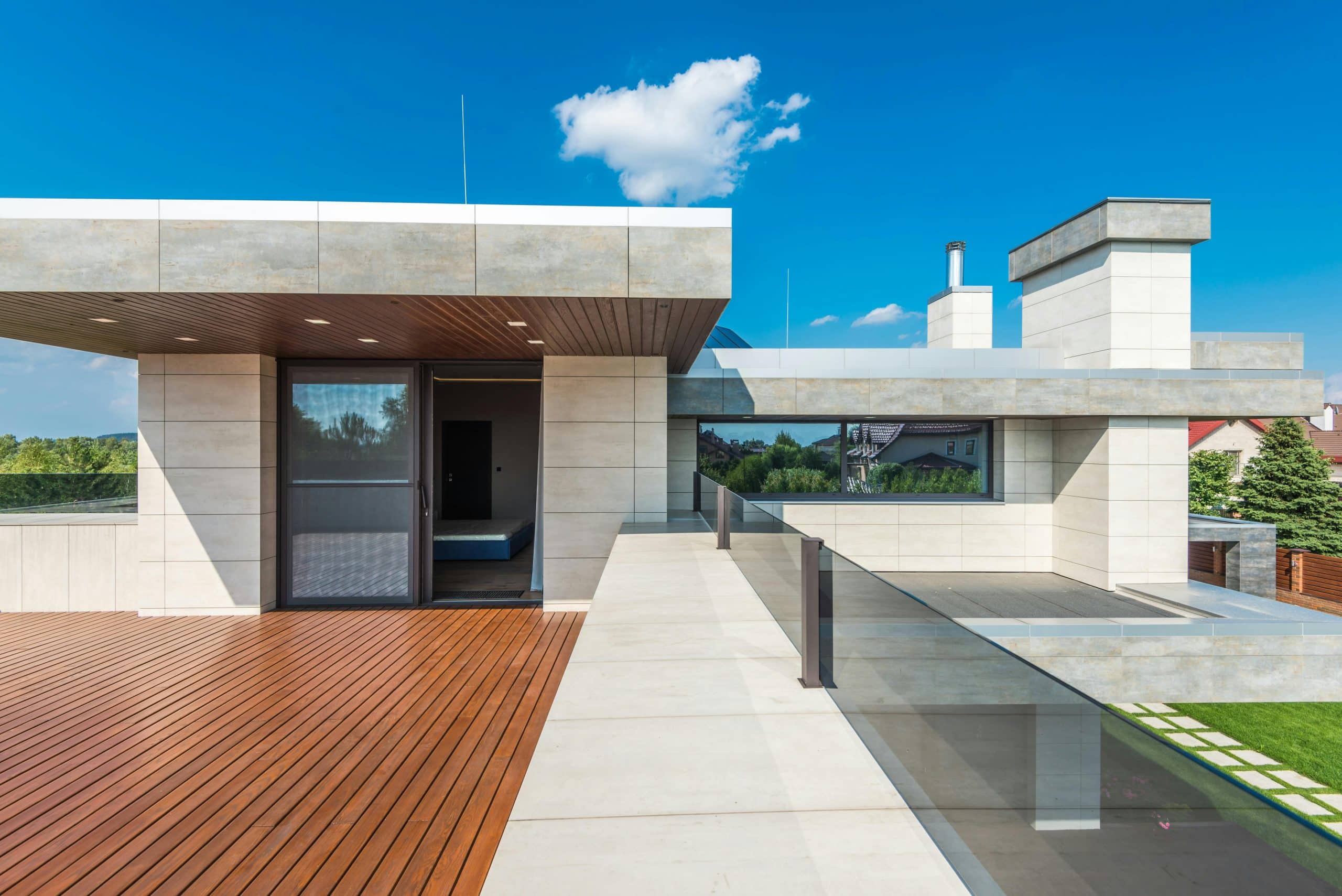
When Built & Why: This term is broad and refers to homes built from the 1970s onward that often break from traditional historical styles. They prioritize modern design principles, energy efficiency, and innovative materials, adapting to current living trends and technologies.
Unique Features: Highly varied, but generally characterized by asymmetrical forms, unconventional rooflines (flat, shed, or irregular), large windows (often strategically placed), and a mix of materials like wood, glass, metal, and concrete. They emphasize open spaces, natural light, and often integrate sustainable features.
KC Locations: Can be found throughout the metro, often as custom-built homes in newer, more exclusive developments, or as renovated older homes in parts of Leawood or Mission Hills. Look in areas with more recent development or infill, such as parts of Olathe, and Lenexa, Kansas, and Lee's Summit, Missouri, as well as some high-end custom homes in established areas.
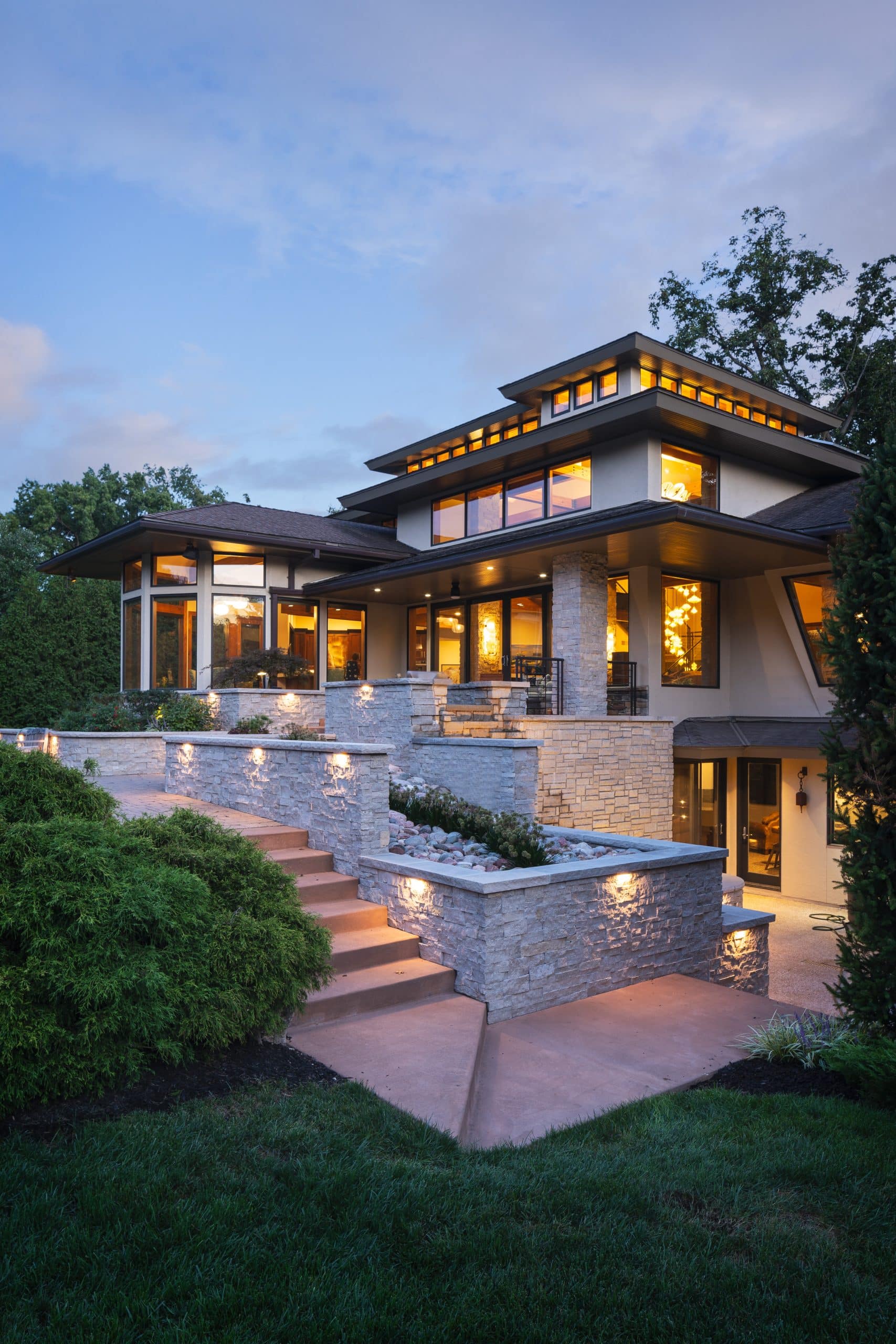
Lee Boulevard whole house Schloegel project from a few years ago, more details here. This has some Prairie style elements as well but we're categorizing it as contemporary for the sake of this blog post!

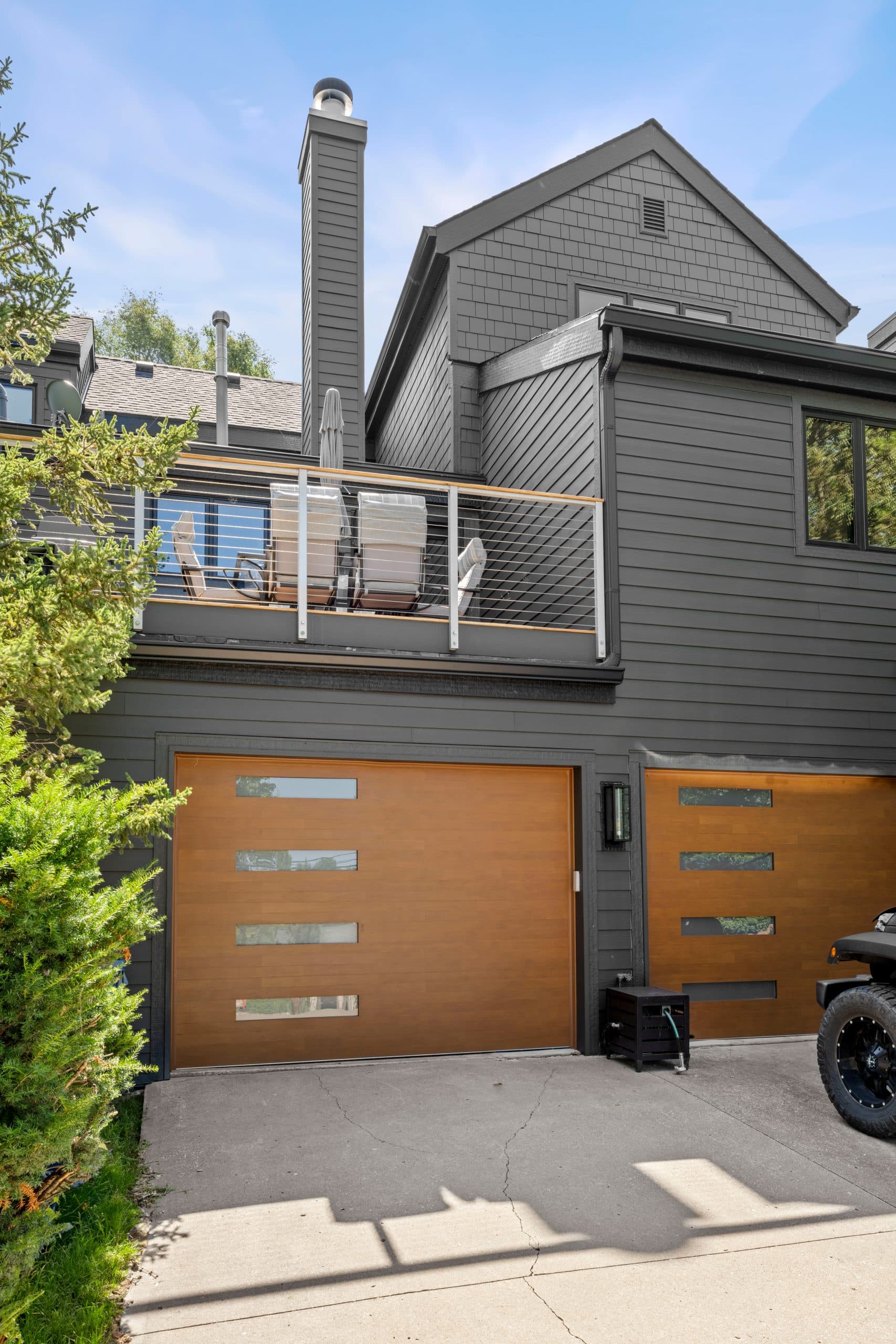
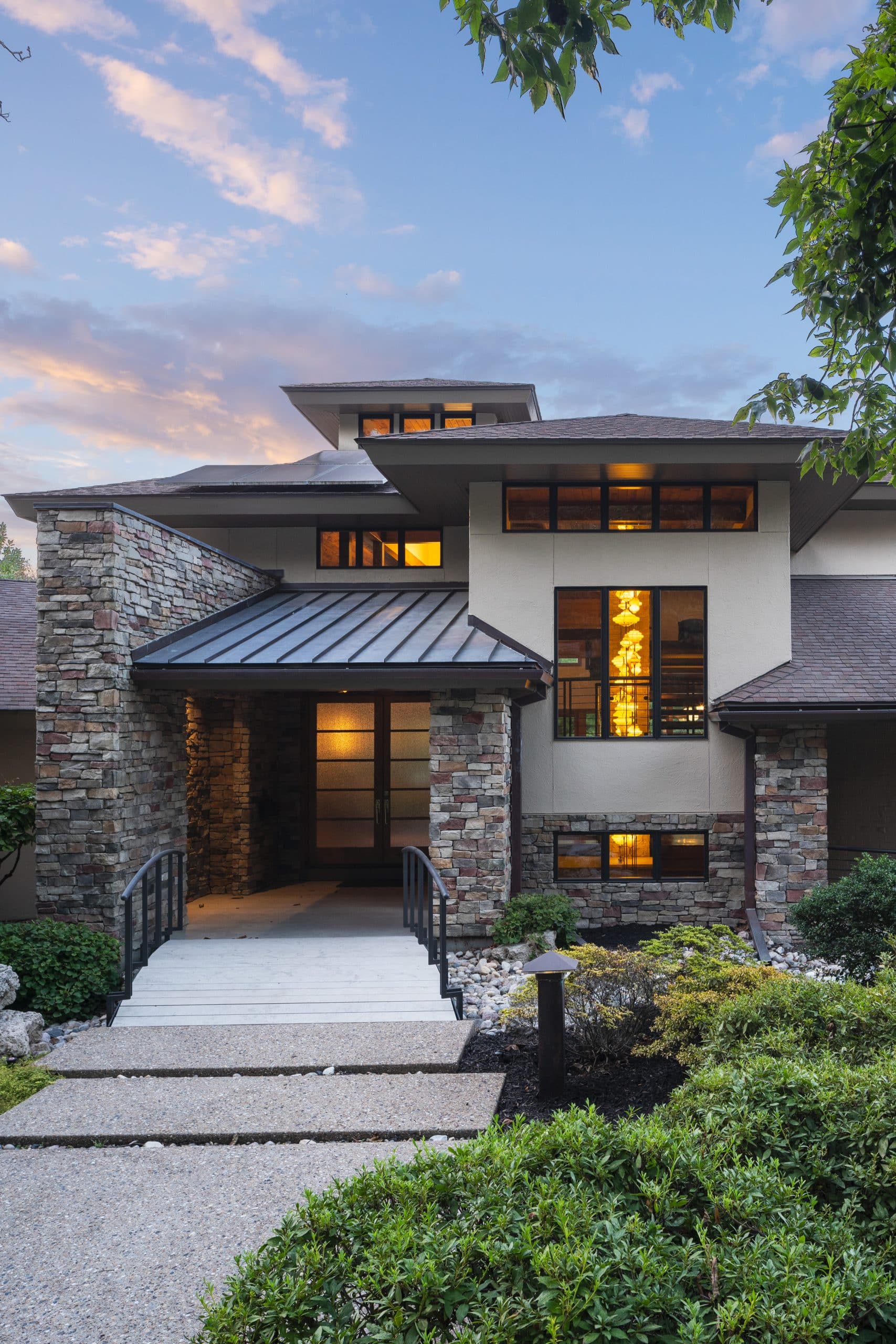
Weatherby Lake whole house Schloegel project from a few years ago, more details here.
10. New Construction (Modern Farmhouse, New Traditional, Updated Cape Cod + More)
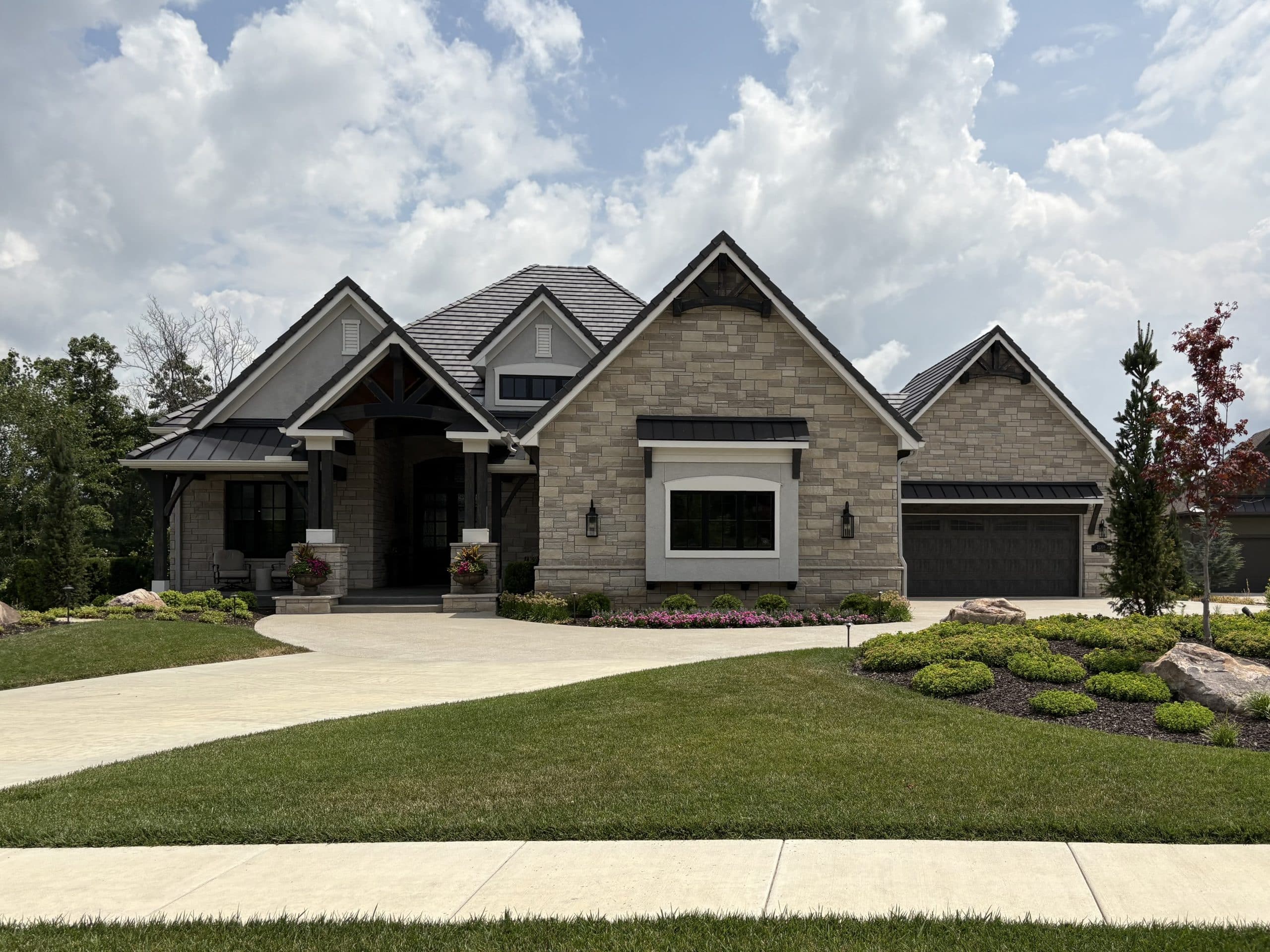
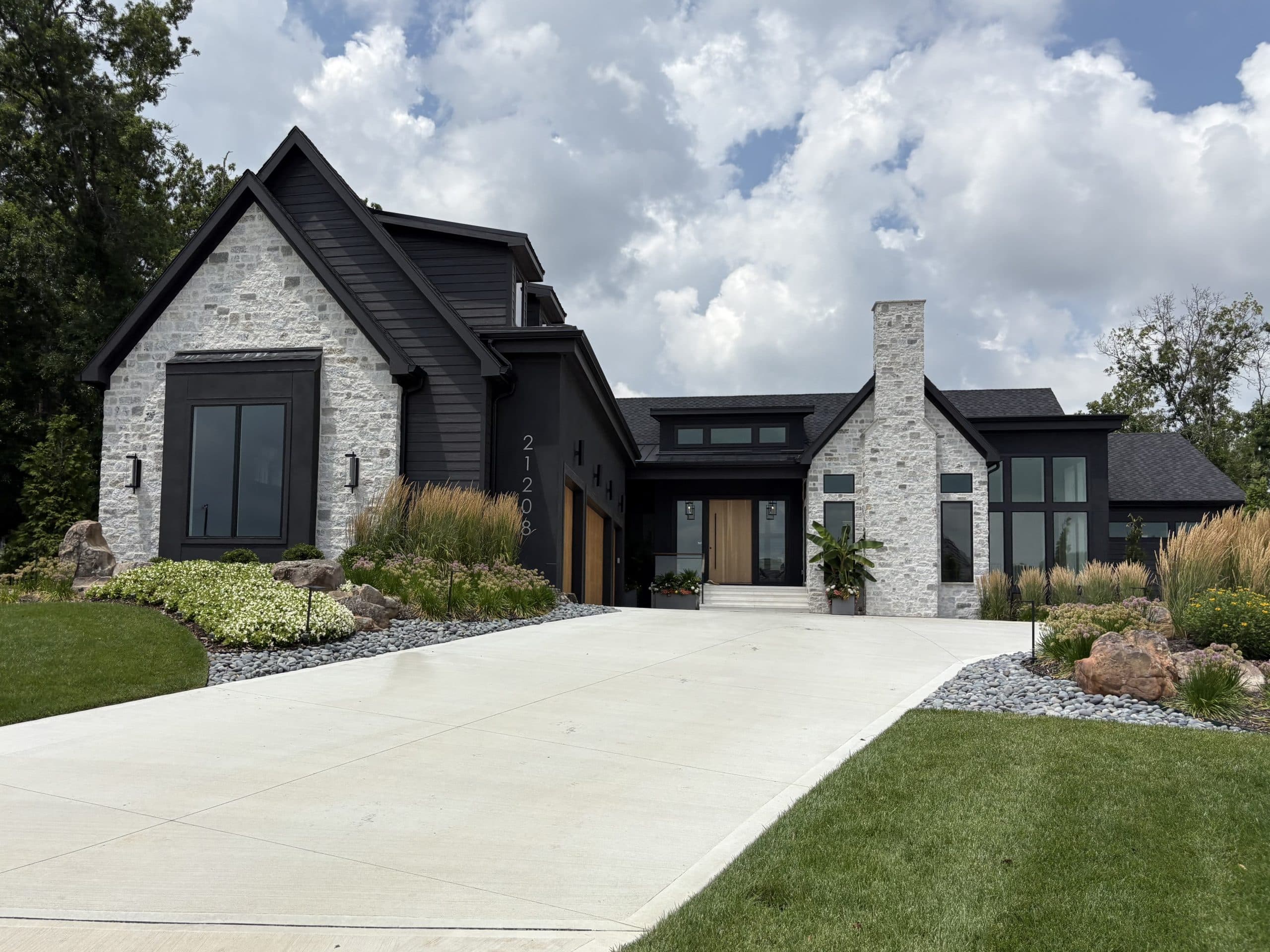

When Built & Why: Predominant from the 2000s to the present. Driven by consumer demand for open layouts, larger homes, updated amenities, and a blend of classic charm with modern convenience. The "Modern Farmhouse" specifically surged in popularity due to its aesthetic appeal and spacious feel.
Unique Features: When it comes to contemporary design, two styles, Modern Farmhouse and New Traditional/Updated Cape Cod, stand out, often reflecting today's desire for fresh aesthetics while honoring classic forms. The Modern Farmhouse is typically two stories, characterized by its signature white or light-colored exteriors, often featuring vertical siding or board-and-batten. Prominent gables, large, black-framed windows, and a generous front porch are common exterior hallmarks. Inside, you'll often discover open-concept layouts, soaring high ceilings, shiplap accents, and an appealing blend of rustic and industrial elements.
Meanwhile, New Traditional or Updated Cape Cod homes skillfully borrow classic architectural elements—such as the steep gables and inviting dormers of a Cape Cod, or the balanced symmetry of a Colonial—and reinterpret them for contemporary living. These homes often feature larger footprints and open floor plans to suit modern lifestyles, incorporating updated materials and finishes to achieve a look that feels both timeless and current.
It's important to note that new construction today can manifest in a wide variety of forms. Modern builders and designers frequently draw inspiration from multiple historical styles, incorporating elements from Craftsman, Colonial, Tudor, and even the previously mentioned Modern Farmhouse. This results in homes that are often a thoughtful blend of past and present, creating unique and highly customized residences that don't always fit neatly into a single, traditional architectural category.
KC Locations: These styles dominate the new residential developments and master-planned communities across the entire metropolitan area. You'll see them extensively in the rapidly growing areas of Olathe, Lenexa, Shawnee, and Spring Hill in Kansas, and Lee's Summit, Liberty, and Blue Springs in Missouri.
Feeling Inspired?
Check out the rest of our exterior gallery for design inspiration. If you're in the Kansas City area or Lake of the Ozarks and looking to remodel your home contact us to see how we can bring your vision to life! Follow @remodelagain on Instagram for exciting project updates.